




















“Fellow Nigerians, good morning.”
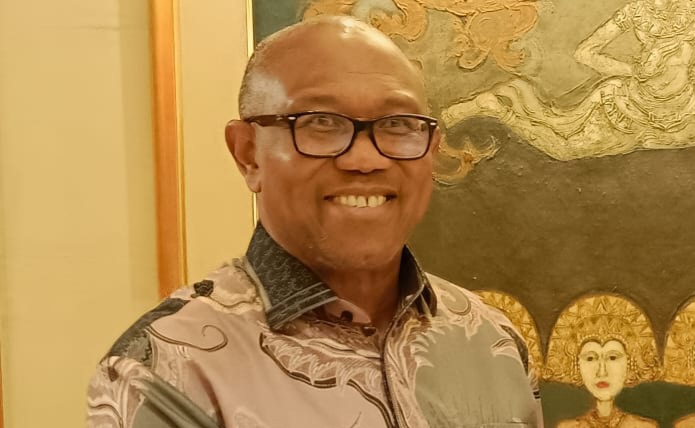
These are the opening words of a message that arrived like a quiet thunderclap. Written after a Sunday church service, it reveals a man wrestling not just with political currents but with the deeper emotional and moral toll of public service in Nigeria’s bruising arena.In what feels like a rare moment of vulnerability from a leader often praised for composure, Peter Obi speaks of “silent pains” – the private struggles, emotional burdens, and quiet battles that many in the public eye carry while trying to serve with sincerity amid systemic hostility. A System That Devours Its Own Obi paints a sobering picture of a society where the machinery of state, meant to protect and empower, increasingly works against the people. Insecurity, intimidation, endless scrutiny, and discouragement have become the new normal. Even more painful, he notes, is the betrayal from unexpected quarters: associates who publicly align but privately distance themselves or join the chorus of unfair criticism. “We live in a society where humility is mistaken for weakness, respect is seen as a lack of courage, and compassion is treated as foolishness,” he laments.

A system that questions equal treatment simply because one refuses to bow to status, tribe, class, or raw power. Yet Obi draws a firm line on his personal conduct: “I have never looked down on anyone except to uplift them. I have never used privilege, position, or resources to oppress others, intimidate the weak, or make people feel small. To me, leadership has always been about service, sacrifice, and helping others rise.” No Personal Grudges, But Clear Red Lines Addressing his recent departure from the African Democratic Congress (ADC), Obi is careful to shield respected figures. He holds no brief against the highly regarded Chairman, Senator David Mark, nor his elder brother in politics, Alhaji Atiku Abubakar, or other leaders. Respect remains intact. However, he points to a troubling pattern, the same forces that engineered crises and hostility in the Labour Party appear to have followed him into the ADC – endless court cases, internal battles, suspicion, and division. Instead of confronting Nigeria’s deeper national emergencies, the focus shifts to control and exclusion.“ Even within spaces where one labours sincerely, one is sometimes treated like an outsider in one’s own home,” he observes.

Honest contributions are tolerated as favours rather than appreciated. And when one steps away for peace, the attacks on character and intentions continue. The Prayer of a Weary Patriot In moments of quiet reflection, Obi says he asks God: Why is doing the right thing often misconstrued as wrongdoing in our country? Why is integrity not valued? Why is prudent management of resources – especially in education and healthcare – labelled as stinginess? Why are humility and obedience to the rule of law taken as weakness? These are not the words of a man chasing titles. Obi is explicit: “I am not desperate to be President, Vice President, or Senate President.” His desperation lies elsewhere – for the mother whose child was kidnapped on the way to school, for citizens displaced into IDP camps, for families going to bed hungry, unsure of their next meal. The Unbreakable Conviction Despite the toxicity, the betrayals, and the misrepresentations, Peter Obi remains resolute. He believes Nigeria can still rise under competent leadership anchored on justice, compassion, and equal opportunity. His closing declaration rings with familiar defiance and hope: A new Nigeria is Possible.

As stakeholders – citizens, leaders, and observers – reflect on this message, it serves as both a mirror and a challenge. In a political landscape often defined by transactionalism and noise, Obi’s reflection reminds us of the human cost of leadership and the quiet strength required to stay the course.Whether one agrees with his politics or not, the sincerity in these words is hard to dismiss. In a nation hungry for authentic voices, this may be one worth listening to.