




















The 98th Academy Awards, held on March 15, 2026, at the Dolby Theatre, was more than a mere celebration of cinematic excellence; it was a strategic pivot point for an industry navigating a “fragile reality.”
For stakeholders in the global entertainment ecosystem, the evening offered a clear look at where capital is flowing, which creative risks are paying off, and how the studio landscape is being redrawn in real-time.

The Coronation of Paul Thomas Anderson
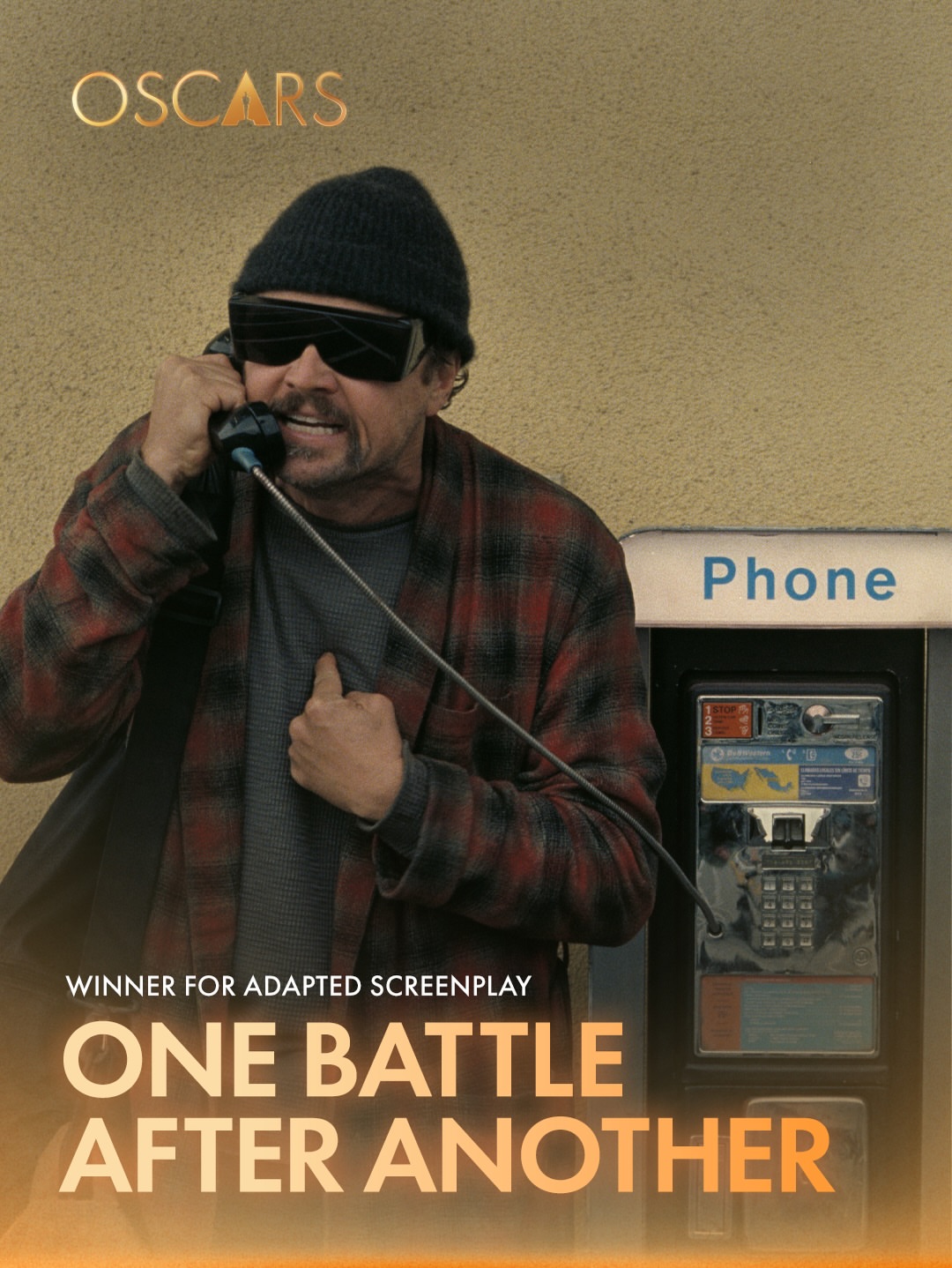
The night undoubtedly belonged to Paul Thomas Anderson and his political thriller, One Battle After Another. After decades of critical acclaim and 11 previous nominations without a win, Anderson secured a definitive “coronation,” taking home Best Picture, Best Director, and Best Adapted Screenplay. For investors and studio executives, the film’s success—totaling six Oscars—validates the commercial and prestige viability of high-concept, auteur-driven dramas. Notably, the film also won the inaugural Best Casting award, a new category reflecting the Academy’s push to recognize the structural labor behind a film’s success.

Major Wins and Historic Firsts
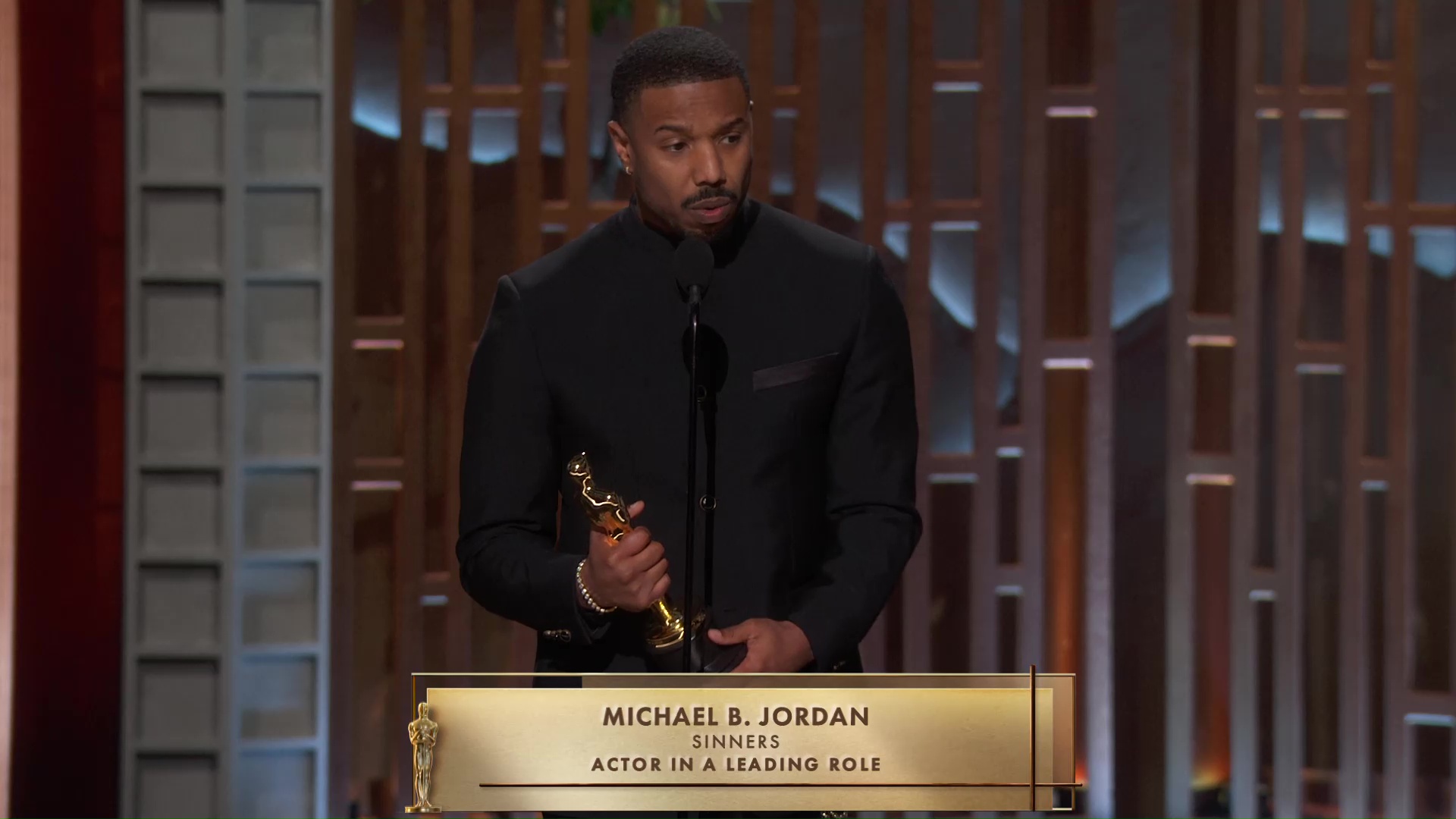
While One Battle After Another dominated the volume of awards, Ryan Coogler’s Sinners entered the night with a record-shattering 16 nominations. Though it did not sweep the major categories, it secured critical wins that signaled a shift in industry standards. Michael B. Jordan earned his first Oscar for Best Actor, cementing his status as one of Hollywood’s most bankable and critically respected leads. In a historic moment for the technical crafts, Autumn Durald Arkapaw became the first woman to win Best Cinematography for her work on Sinners.
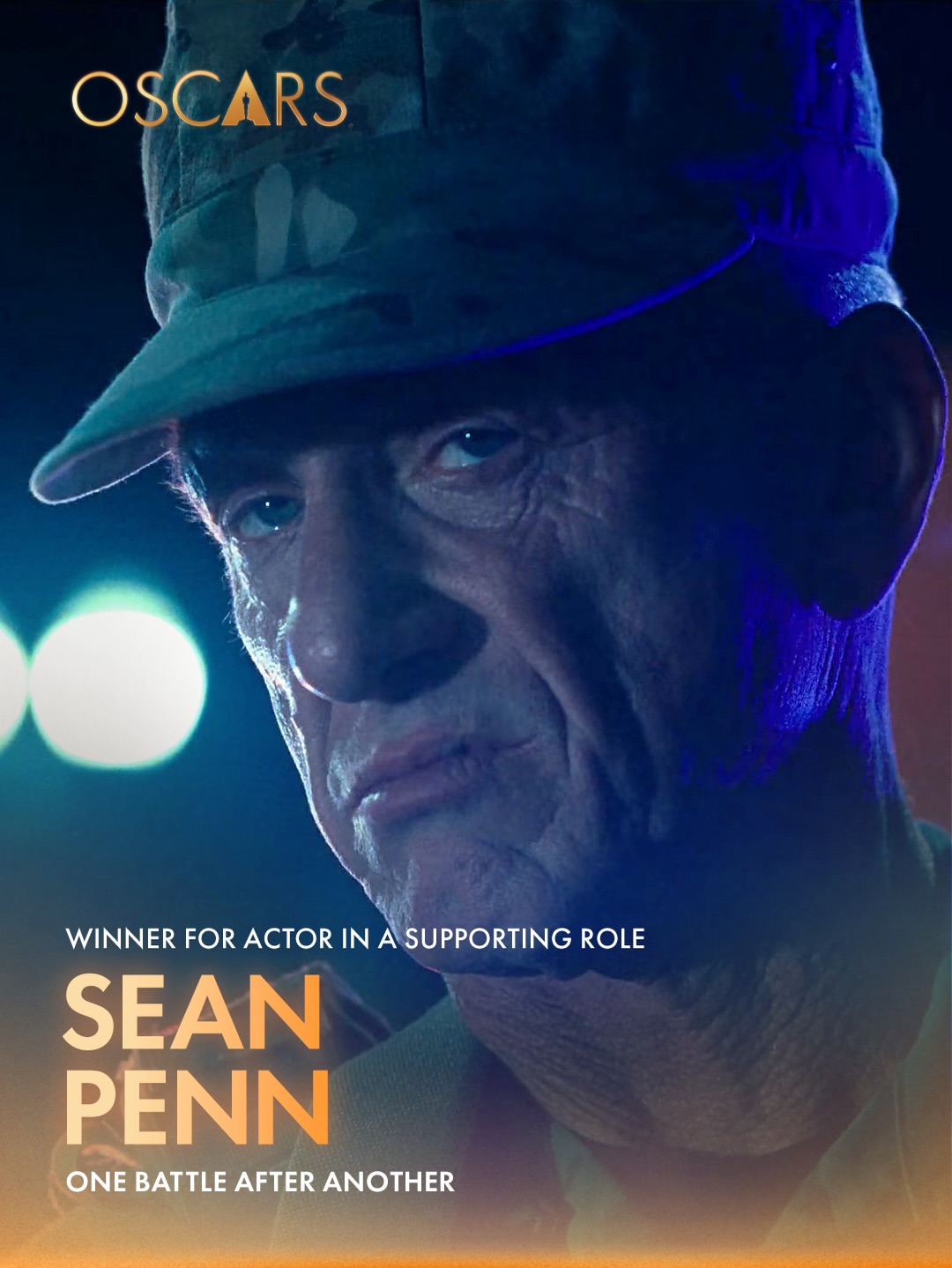
The acting honors continued to break new ground as Jessie Buckley delivered a win for the Shakespearean drama Hamnet, marking the first time an Irish performer has won in the Best Actress category. The supporting honors further solidified the night’s themes of legacy and rising talent, with veteran Sean Penn winning Best Supporting Actor for One Battle After Another and Amy Madigan taking home Best Supporting Actress for her performance in Weapons.

The Business of Prestige: Studio Dynamics
Stakeholders should note the strategic timing of the night’s big winner. One Battle After Another was a massive victory for Warner Bros., occurring just weeks after the studio agreed to a landmark merger with Paramount Skydance. This “record-tying” performance—totaling 11 wins for the studio across its entire slate—serves as a powerful valuation booster as David Ellison’s media monolith takes shape. The wins provide the new entity with significant cultural capital as it enters a period of corporate transition.
Host and Tone: A Mirror to the Industry
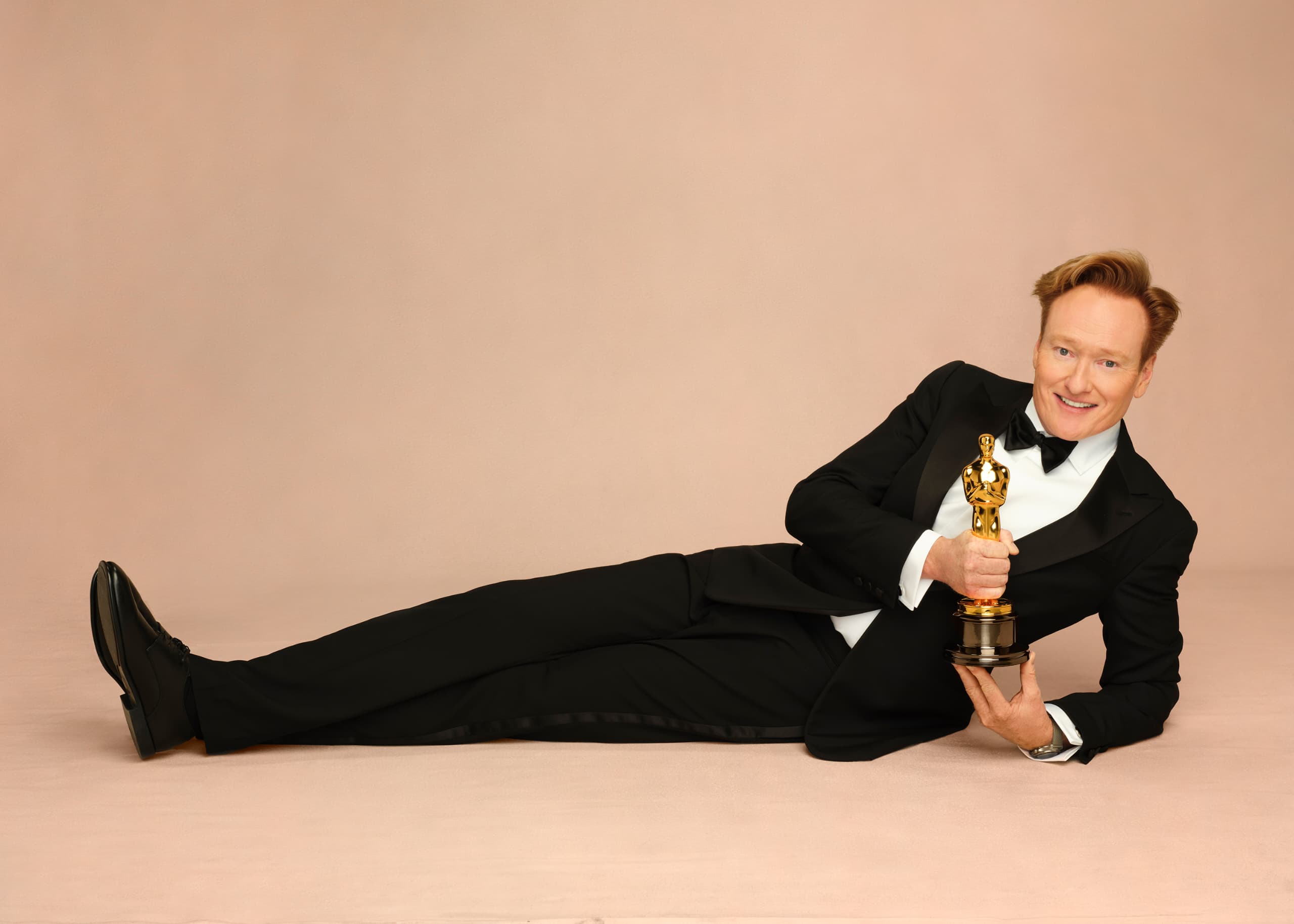
Returning host Conan O’Brien skipped the usual sycophancy for a monologue described by observers as an “autopsy” of the modern industry. He directly addressed the looming specter of AI, the saturation of streaming services, and the financial precariousness of the creative labor force.

For the stakeholders in the room, it was a reminder that while the “prestige” of the Oscar still holds weight, the business model behind it is under intense interrogation. The ceremony itself embraced this tension by integrating creator-led red carpet coverage and social-first content, aiming to bridge the gap between traditional cinema and the digital-native audience.

Looking Ahead
As the 98th Oscars concludes, the industry looks toward a 2026 defined by consolidation and a renewed focus on “human-centric” storytelling. The message from the Dolby Theatre was clear: legacy matters, but adaptability is the only way to survive. The night proved that while the medium is changing, the market’s hunger for definitive, high-quality narratives remains the industry’s most valuable asset.