






















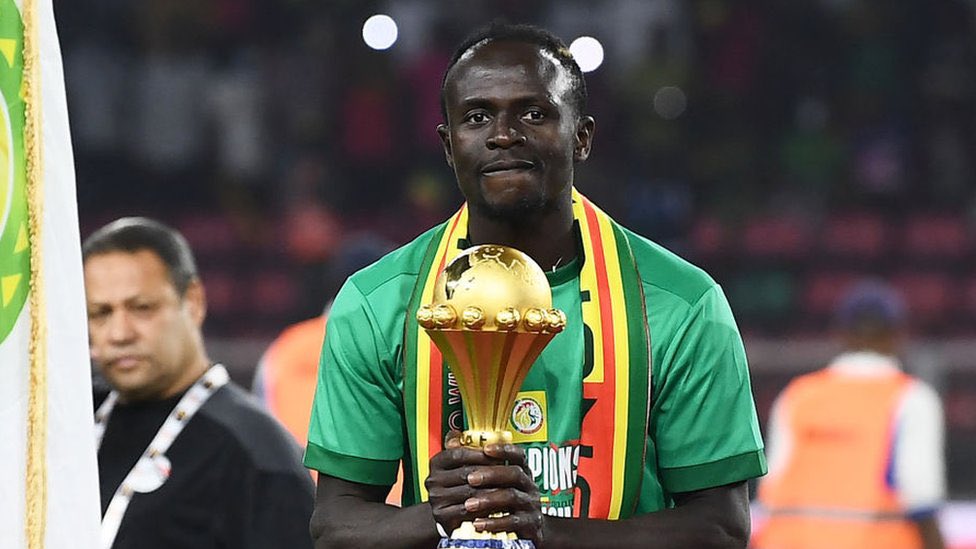
Rabat, Morocco – March 17, 2026 – In an unprecedented development that has sent shockwaves through African football, the Confederation of African Football (CAF) Appeal Board has overturned the result of the TotalEnergies Africa Cup of Nations (AFCON) 2025 final, declaring Senegal to have forfeited the match and awarding the title to hosts Morocco with a 3-0 scoreline.The ruling, announced today on CAF’s official channels, upholds an appeal by the Royal Moroccan Football Federation (FRMF) following the chaotic January 18, 2026, final at the Prince Moulay Abdellah Stadium in Rabat.

Senegal had initially emerged victorious with a 1-0 extra-time win, courtesy of Pape Gueye’s 94th-minute goal, securing what appeared to be their second continental crown.However, the match was marred by extraordinary scenes in stoppage time. After referee Jean Jacques Ndala awarded Morocco a controversial VAR-recommended penalty following a challenge on Brahim Díaz, Senegal’s players—led by coach Pape Thiaw—walked off the pitch in protest, causing a delay of approximately 15 minutes before mediation prompted their return. Díaz’s subsequent spot-kick was saved by Edouard Mendy, allowing Senegal to hold on for the win. CAF’s Appeal Board, applying Articles 82 and 84 of the AFCON Regulations, determined that Senegal’s actions constituted a forfeit.

The official statement reads: “In application of Article 84 of the Regulations of the CAF Africa Cup of Nations, the Senegal National Team is declared to have forfeited the Final Match… with the result of the Match being recorded as 3–0 in favour of the Fédération Royale Marocaine de Football (FRMF).”This decision reverses an earlier ruling by the CAF Disciplinary Board in late January, which had upheld Senegal as champions while imposing fines and suspensions on both sides—including a five-match ban and $100,000 fine for coach Thiaw, and penalties for players such as Iliman Ndiaye, Ismaila Sarr, Achraf Hakimi, and others.

Morocco, who had pushed aggressively for the result to be overturned since the immediate aftermath, now claims their first AFCON title since 1976. The hosts had reached the final as strong contenders, buoyed by home support and a star-studded squad featuring Díaz, Hakimi, and others.The move marks one of the rarest instances in major tournament history where a final result is retroactively altered months later via appeal, raising questions about precedent, regulatory consistency, and the integrity of on-field outcomes. Senegal’s football federation has yet to issue a formal response, but the decision is likely to spark heated debate across the continent.
For Morocco, the ruling transforms a heartbreaking defeat into a historic triumph on home soil. Celebrations have already erupted in Rabat and beyond, with fans hailing it as justice served after what many described as “unacceptable” conduct during the match.As African football grapples with this landmark verdict, stakeholders—including national federations, players, sponsors, and fans—await further clarity on implications, such as medal returns, trophy handover logistics, and potential appeals to higher bodies like FIFA.

This ruling underscores the high stakes of adhering to competition regulations, even in the heat of the moment, and serves as a stark reminder that in football, the final whistle may not always be truly final.