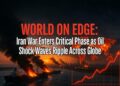





















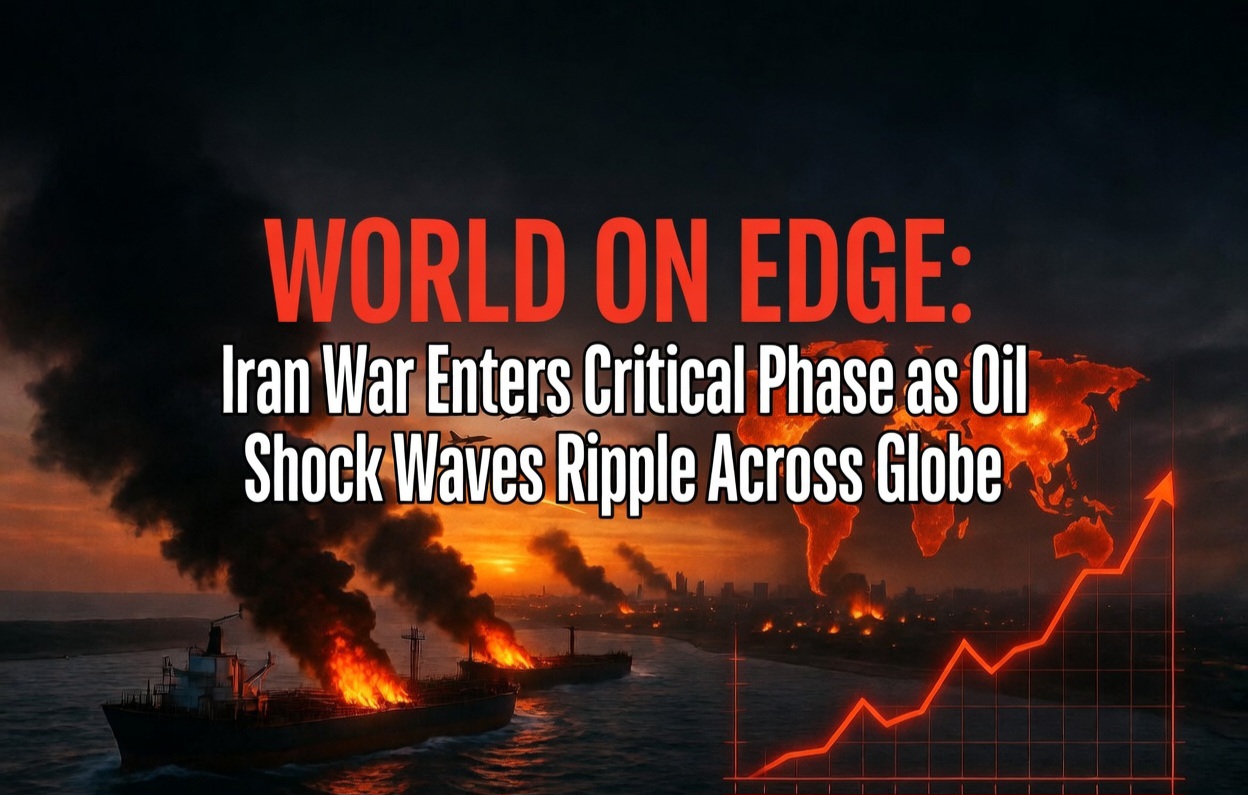
Iran War Enters Critical Phase as Oil Shock Waves Ripple Across GlobeThe US-Israel-Iran conflict dominates headlines on Day 25–26, with mixed signals of escalation, diplomatic maneuvering, and severe energy market fallout threatening global stability. Oil prices remain volatile above $100–$110 per barrel, raising fears of prolonged economic pain.

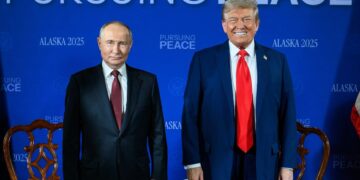
1. Iran Conflict: Strikes Continue Amid Conflicting Ceasefire SignalsUS and Israeli forces press ahead with targeted operations on Iranian infrastructure, while Iran launches fresh missile barrages toward Israel and Gulf targets. President Trump claims “productive talks” are underway, floating a 15-point ceasefire plan and even suggesting joint US-Iran control of the Strait of Hormuz. Iranian officials flatly reject negotiations as “fake news,” insisting no direct contact exists and threatening further disruption if energy sites are hit. Additional US troops, including elements of the 82nd Airborne, continue deploying to the region. The Strait of Hormuz — gateway for ~20% of global oil and LNG — remains a flashpoint, with limited “non-hostile” vessel transit allowed but overall flows severely curtailed.

2. Energy Crisis Deepens: Oil Prices Surge, Recession Warnings Mount The partial shutdown of the Strait of Hormuz has triggered one of the sharpest supply shocks in decades. Brent crude hovers in triple digits, with analysts warning that sustained high prices could shave global GDP growth and fuel stagflation. The International Energy Agency signals possible emergency stock releases, while Asia-Pacific nations face fuel shortages and rising coal demand. BlackRock’s Larry Fink and others highlight “profound implications” for the world economy if the crisis drags on.
edition.

3. Russia Unleashes Massive Aerial Assault on Ukraine In one of the largest attacks of the war, Russia launched nearly 1,000 drones and missiles in a 24-hour period — including rare daytime strikes. At least 3–7 civilians were killed and dozens wounded across cities, with significant damage to power infrastructure and historic sites in Lviv. Ukrainian officials describe it as a clear escalation in Moscow’s spring offensive tactics.

4. Geopolitical Ripple Effects North Korea: Kim Jong Un cites the Iran war as validation for never relinquishing nuclear weapons, accusing the US of “state terrorism” and pledging a “merciless” response to any threats.
Gulf & Beyond: A drone strike ignites a fuel tank at Kuwait International Airport. International aid convoys reach crisis-hit Cuba, while the Philippines declares a national energy emergency due to Middle East disruptions.
Other Incidents: A Colombian military plane crash claims at least 66 lives; Meta faces a $375 million court-ordered payout in New Mexico over child safety allegations on its platforms.

Market Snapshot (as of early March 25):
Energy and defense stocks volatile; broader equities react to ceasefire rumors versus escalation reports. Global supply chains brace for higher inflation and logistics costs.

Stakeholders Takeaway:
The convergence of military escalation in the Middle East and Eastern Europe, combined with an acute energy crunch, is reshaping risk calculations for businesses, investors, and governments worldwide. Ceasefire progress — or lack thereof — in the coming days will likely dictate whether this becomes a short-term shock or a multi-year structural shift.

This report is compiled from leading international sources and is for informational purposes. Markets and events move rapidly — monitor live updates closely.
Stay informed. Stay ahead.
Stakeholders Magazine