













Barely a week ago, the Nigerian political landscape was a scene of rigid battle lines and post-convention chest-thumping, yet no one—not even the most seasoned analyst—could have expected the sudden atmospheric shift that has descended upon our political gladiators. In a poignant observation, veteran journalist and politician Dele Momodu recently highlighted how the passage of Hajiya Umma El-Rufai, mother of Mallam Nasir El-Rufai, has achieved what months of backroom negotiations could not: a physical and symbolic reconfiguration of the opposition.

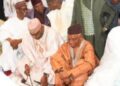
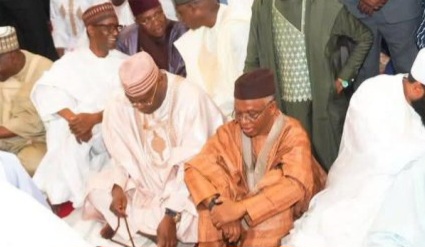
The scenes at the El-Rufai residence in Kaduna have been nothing short of surreal, as politicians who were once locked in a cold war of “deliberate annihilation” are now seen side-by-side, forced by shared grief to remember a time when they were friends, allies, or members of the same ideological house. Momodu notes that the palpable arrogance and “giddiness” that characterized the ruling All Progressives Congress (APC) following its recent National Convention have been abruptly silenced, with the news of this loss acting as a form of “collateral damage” to the ruling party’s carefully curated soundbites.
Whether by design or sheer coincidence, what has been described as an era of political intolerance appears to have backfired, inadvertently unifying the opposition into a single flock. Nigeria has always possessed an uncanny knack for pulling stunts when the world least expects, and the “funeral diplomacy” currently on display suggests that the political calculus has been resoundingly reset. As the nation watches leaders of different persuasions and colorations troop to Mallam’s house, the arrogance of power is being met with the quiet resolve of a potentially unified front.

The coming weeks will reveal if these handshakes in a time of grief will evolve into a formal alliance that reshapes the road to 2027. For now, the chessboard has been wiped clean, and as the veteran journalist aptly concludes, “There is GOD.”