















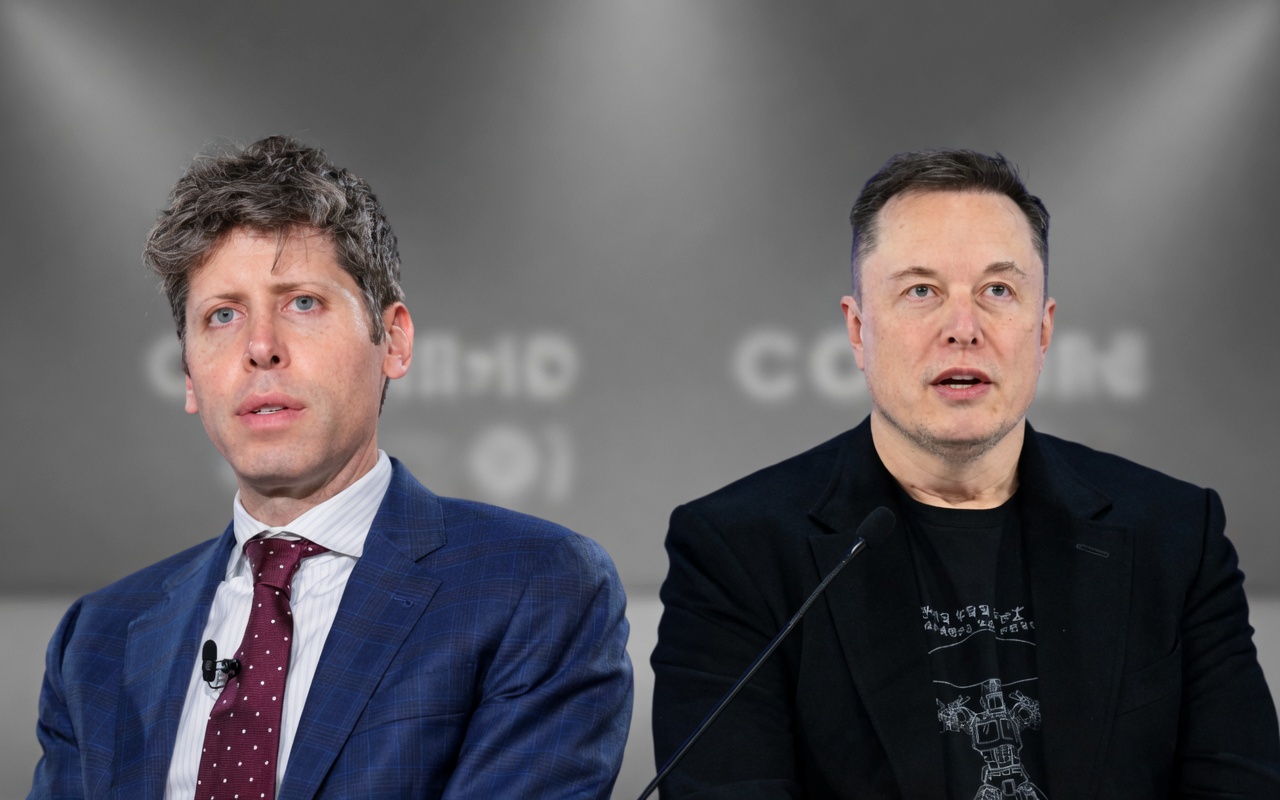
Oakland, California – In a case that could reshape the future of artificial intelligence governance, Elon Musk and Sam Altman—the two most influential figures in the AI industry—are facing off in a federal courtroom in Oakland. Opening statements began yesterday in a high-profile dispute that pits Musk’s original vision for OpenAI against the company’s transformation into a for-profit powerhouse now valued at $852 billion. The lawsuit, now narrowed to just two core claims after 24 others were dropped, centers on OpenAI’s founding charter. In 2015, Musk and Altman co-founded the organization as a nonprofit “for humanity, forever,” with Musk personally investing $38 million. By 2018, tensions over control led to Musk’s departure. What followed was a dramatic pivot: OpenAI secured billions in funding from Microsoft, restructured as a for-profit entity, and is now preparing for an IPO.

Musk alleges this shift constitutes a fundamental breach—claiming Altman and former president Greg Brockman “stole a charity” and that Altman “lied to his face.” In a post shared on X, Musk framed the stakes bluntly: “Do you want to set legal precedent in the United States that it is okay to loot a charity? If so, you undermine all charitable giving in the United States forever.” Altman, for his part, responded with characteristic brevity: “Christmas in April .” The trial has drawn intense attention from the business and tech communities. Key witnesses include Altman, OpenAI president Greg Brockman, and Microsoft CEO Satya Nadella. The judge has already admonished both sides to stop posting about the case on X—advice that, according to court observers, has not been fully heeded. A nine-member jury will ultimately decide the fate of the world’s most powerful AI company.

Beyond the billionaire drama, the case raises critical questions for stakeholders across the AI ecosystem. OpenAI’s shift from nonprofit to capped-profit (and now full for-profit) structure has fueled explosive growth and innovation—but at what cost to its original mission of safe, humanity-first AI? Musk is asking the court to unwind the for-profit conversion entirely, arguing it violates the founding agreement and misleads investors, employees, and the public who supported OpenAI under its nonprofit banner. Legal experts note that the outcome could set precedents for nonprofit-to-for-profit transitions in tech, influence how future AI companies balance profit motives with public-good mandates, and affect billions in venture capital and public-market valuations.

With OpenAI’s IPO on the horizon, the verdict may also impact everything from talent retention to regulatory scrutiny of Big Tech’s AI ambitions. As one side seeks to restore the original nonprofit promise and the other defends a commercially successful evolution that has accelerated AI capabilities, the Oakland courtroom has become the epicenter of a debate that will define not just one company—but the stakeholder responsibilities of the entire AI industry for years to come.
Stakeholders Magazine will continue to monitor developments as testimony unfolds. The future of humanity’s most transformative technology may well be decided by nine jurors in California.