























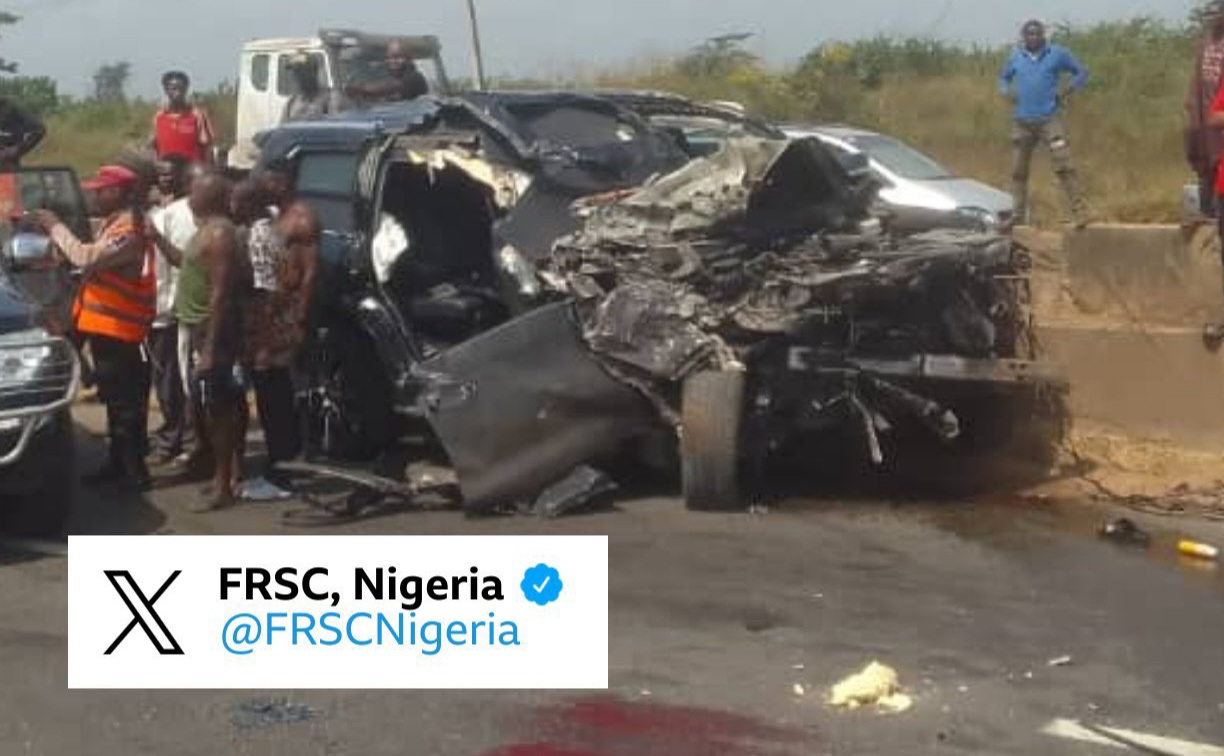
ANALYSIS — The tragic accident involving Anthony Joshua on the Lagos–Ibadan Expressway has done more than sideline a sporting icon; it has cast a harsh, unforgiving spotlight on the “death traps” that serve as Nigeria’s primary economic arteries. For stakeholders in governance, transportation, and logistics, the incident is a grim reminder that even global status and private security cannot insulate one from the systemic failures of Nigerian infrastructure.
 The “Danco Trap”: Stationary Killers
The specific cause of the crash—a collision with a stationary truck near the Danco filling station—is a recurring nightmare on Nigerian roads.
* The Hazard: Broken-down heavy-duty vehicles often remain on the narrow shoulders of expressways for days without adequate reflective warning signs.
* The Failure: Under current FRSC (Federal Road Safety Corps) protocols, there is a clear lack of rapid-response towing services for heavy tonnage, turning parked trucks into “immovable walls” for high-speed traffic.
 The Gold Hour: Where was the Emergency Response?
Perhaps the most damning aspect of the incident was the documented absence of immediate medical aid. Videos circulating online showed Joshua being pulled from the wreckage by bystanders and local residents, rather than paramedics.
* Critical Delay: In trauma medicine, the first 60 minutes (“The Golden Hour”) are vital. Despite the Lagos–Ibadan Expressway being the busiest in West Africa, the lack of integrated ambulance hubs along the corridor meant the victims relied on the bravery of untrained civilians.
* Infrastructure Gap: While the Lagos State Government eventually dispatched ambulances, the lag time raised a haunting question among stakeholders: If a multi-millionaire athlete is seated in the back of a police van due to a lack of an ambulance, what hope does the average citizen have?
 Security vs. Safety: A False Sense of Protection
Joshua’s convoy included a security detail in a separate vehicle, yet this provided zero protection against the physics of a high-speed collision.
* Speed & Maneuvers: FRSC investigators cited “excessive speed and wrongful overtaking” as contributing factors.
* The Lesson: For high-profile stakeholders and VIPs, the focus has traditionally been on security (kidnapping/terrorism), but this tragedy suggests that safety (defensive driving and vehicle maintenance) is the more immediate threat.
“This incident proves that wealth can buy a fast car and a security team, but it cannot buy a safe road or a functional emergency response system once the tires lose grip.” — Infrastructure Consultant, Lagos.
 Stakeholder Recommendations
To prevent further loss of life among high-value travelers and the general public, the following must be prioritized:
* Mandatory Clearance: Strict enforcement and zero tolerance for stationary vehicles on major expressways.
* Ambulance Corridors: Establishment of permanent, 24/7 trauma centers and ambulance points every 20 kilometers on the “A1” highway.
* Speed Governance: Integration of speed limiters and stricter monitoring of private convoys that frequently bypass traffic laws.