



















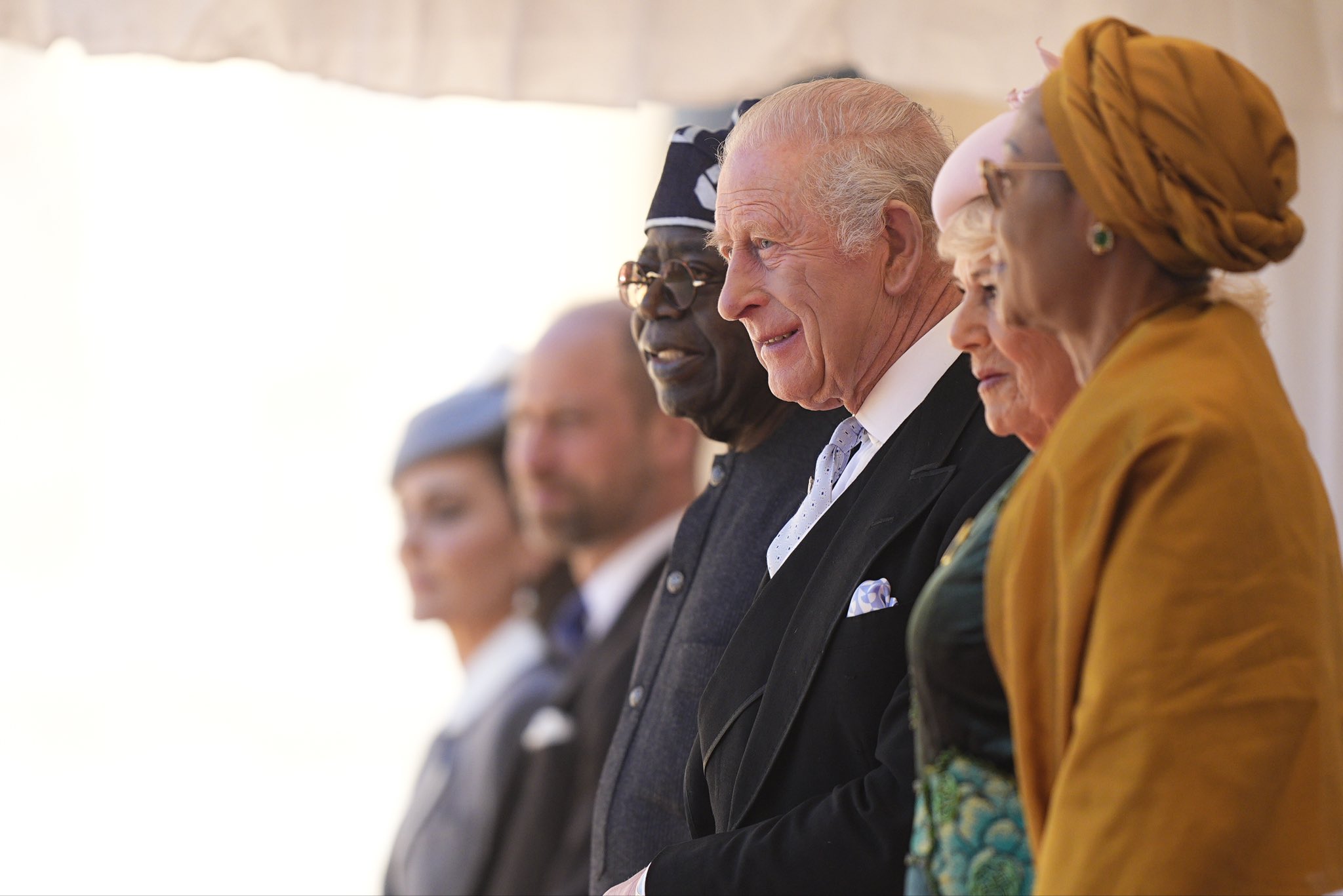
As President Bola Ahmed Tinubu concludes the first day of Nigeria’s landmark state visit to the United Kingdom on 18 March 2026, the pageantry at Windsor Castle masks a clear strategic calculus. State visits are not mere ceremonial spectacles; they are carefully calibrated instruments of diplomacy. For King Charles III and the British Government under Prime Minister Keir Starmer, this two-day engagement represents a high-stakes opportunity to lock in tangible gains that extend far beyond royal banquets and carriage processions.For the Monarch, the endgame is rooted in soft power and legacy-building. King Charles is using the full weight of the Crown to signal Britain’s enduring esteem for Nigeria as its most populous Commonwealth partner.

By hosting the first Nigerian state visit in 37 years—and the first by any Nigerian leader under his reign—the King is reinforcing the monarchy’s role as a bridge in post-colonial relations. The personal welcome, the interfaith gesture during Ramadan, and the emphasis on partners “standing together in difficult times” serve a dual purpose: they project Britain’s values of mutual respect and dialogue while subtly advancing the King’s long-standing interest in cultural and faith-based harmony.
In an era when republican sentiments occasionally surface in Commonwealth nations, such visits quietly affirm the relevance of the monarchy as a neutral convenor of influence, distinct from partisan government policy.For the British Government, however, the objectives are far more transactional and economically driven.

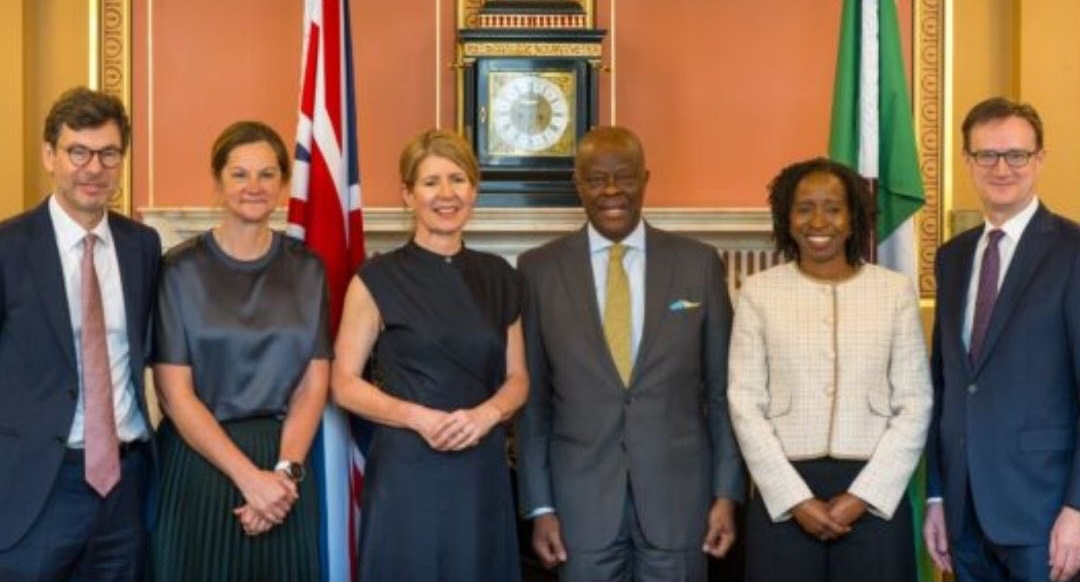
The visit is explicitly designed to cement the UK’s position as “a global hub for African business.” Deputy Prime Minister David Lammy made this explicit ahead of the arrival: “Growth is the core mission of this government and it underpins our relationship with Nigeria.” Behind the ceremonial curtain lies a pipeline of deliverables already in motion. President Tinubu is scheduled to witness the signing of a landmark £746 million financing agreement between UK Export Finance and the Nigerian Ports Authority for the refurbishment of Lagos Port Complex and Tin Can Island Port—injecting British capital and expertise into Nigeria’s critical maritime infrastructure.

Further concrete outcomes include the signing of multiple Memoranda of Understanding on trade, investment, defence and cultural cooperation, alongside expanded bilateral meetings with senior officials. The Department for Business and Trade has timed announcements of hundreds of new UK jobs created by scaling Nigerian companies, framing the visit as a direct boost to British employment and post-Brexit trade ambitions. Immigration, security cooperation and private-sector-led growth round out the agenda, reflecting London’s desire to manage migration flows, deepen defence ties and position British firms for Nigeria’s vast market.In essence, the Monarch provides the prestige and symbolism that elevates the relationship to the highest diplomatic tier, while the Government extracts measurable economic and strategic dividends.

The two-day programme is not an end in itself but a launchpad: a deliberate acceleration of bilateral momentum that both sides hope will translate into sustained investment flows, job creation and geopolitical alignment in an increasingly competitive global landscape. Whether these ambitions survive Nigeria’s domestic challenges or Britain’s fiscal constraints remains the true test beyond the state banquet toasts. For now, Windsor Castle has set the stage for a partnership that both the Crown and 10 Downing Street intend to make enduringly profitable.