






















Abuja, February 20, 2026 — As residents of the Federal Capital Territory (FCT) prepare to head to the polls tomorrow, Saturday, February 21, 2026, the FCT Area Council elections have ignited intense debate, blending local governance battles with national implications for Nigeria’s democracy.The Independent National Electoral Commission (INEC) will oversee the exercise across the six Area Councils—Abaji, Abuja Municipal Area Council (AMAC), Bwari, Gwagwalada, Kuje, and Kwali—to elect six chairpersons and 62 councillors, totaling 68 positions.
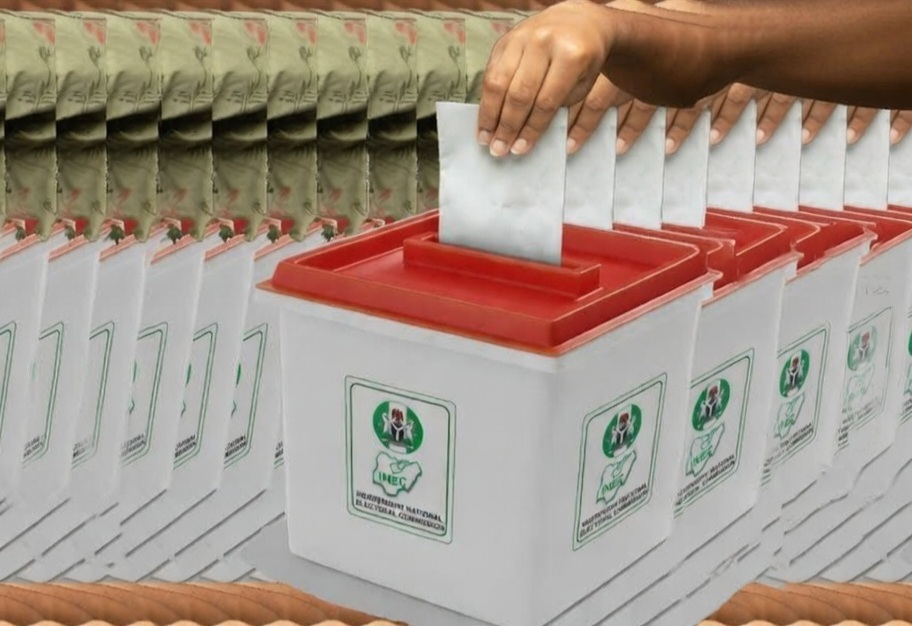 Voting commences at 8:30 a.m. across all polling units, with approximately 1.68 million registered voters eligible to participate.This marks the first major electoral test under the newly signed Electoral Act 2026 (amendments to the 2022 Act), assented to by President Bola Tinubu on Wednesday, February 18 or 19, 2026—just days before the polls. The president described the changes as closing gaps, strengthening procedures, and providing greater clarity in electoral conduct.Key amendments include provisions for electronic transmission of results to the INEC Result Viewing Portal (IReV), a long-standing demand from civil society and opposition groups following controversies in previous elections.
However, critics argue the law falls short by permitting manual collation as a fallback in cases of technical failures or other issues, potentially opening avenues for manipulation.Opposition voices, including elements within the Peoples Democratic Party (PDP) and civil society organizations, have labeled the rushed legislative process and final provisions a setback, with some accusing the ruling All Progressives Congress (APC) of tailoring the law to favor incumbents ahead of the 2027 general elections.
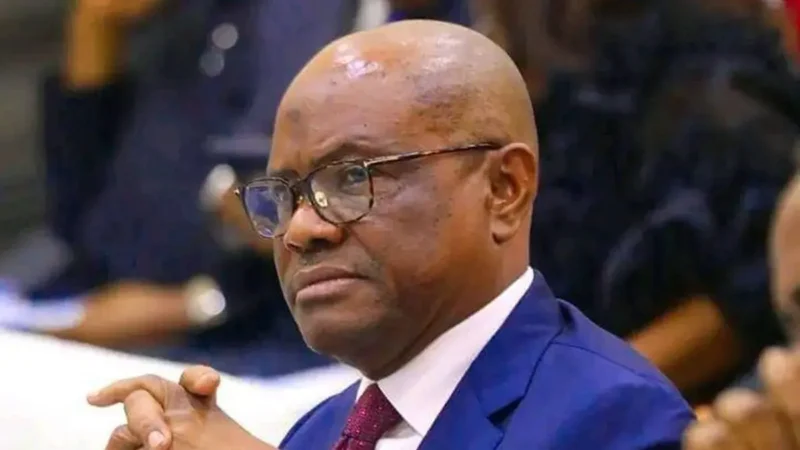
 Protests at the National Assembly, including incidents of teargassing, highlighted public discontent during the bill’s passage.Adding fuel to the controversy is FCT Minister Nyesom Wike’s outspoken stance. In recent statements, Wike declared he would support only candidates aligned with President Tinubu’s vision, vowing to ensure that any aspirant not backing the president “does not win” in the FCT polls. The minister, a former PDP governor now serving in the APC-led administration, framed his position as a duty to the presidency, drawing sharp criticism for allegedly politicizing the FCT’s administration and undermining multiparty competition.
The pledge has already reshaped the contest: Several PDP chairmanship candidates have stepped down or withdrawn in recent days, endorsing APC opponents in moves widely attributed to Wike’s influence. The PDP national leadership condemned these developments as “anti-democratic” and “shameful,” pointing to what it called forced consensus and voodoo democracy.To facilitate smooth voting, Wike— with presidential approval—declared Friday, February 20, a work-free day in the FCT and imposed a movement restriction from 8 p.m. Friday to 6 p.m. Saturday. Security agencies have been directed to enforce compliance, while the police separately announced restrictions from 6 a.m. to 6 p.m. on election day in some contexts.
 INEC has affirmed its readiness, citing successful preparations and mock exercises. The commission emphasized that eligible voters must cast ballots at their registered polling units.With the 2027 general elections exactly one year away, these FCT polls serve as a critical barometer for voter turnout, party strategies, electoral transparency, and public trust in the updated legal framework. Observers, including domestic groups like the Situation Room and international partners, will closely monitor the process for adherence to the new law and overall credibility.
As Abuja residents exercise their franchise tomorrow, the outcome could signal broader trends—or deepen divisions—in Nigeria’s evolving democratic journey. Stakeholders urge peaceful participation, vigilance, and a commitment to results that truly reflect the people’s will.