






















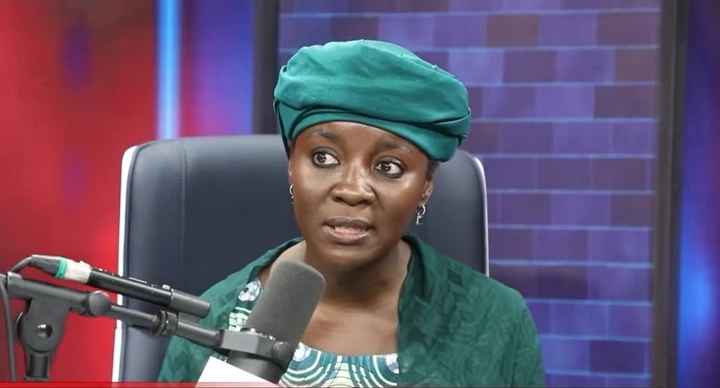
Zainab Buba Galadima, a prominent figure and former member of the All Progressives Congress (APC), has sent shockwaves through the Nigerian political landscape by publicly airing a scathing critique of the ruling party and labeling its tenure a monumental failure. Speaking on the Mic On Podcast, Galadima revealed that her departure from the party was far from a sudden impulse, disclosing that she had drafted her resignation letter five months prior to making it official. The letter, which she kept in her archives until she felt the timing was right, contained a blunt and final assessment of her state of mind:
“I tried; I am tired; my conscience left the party, so I quit.”

Galadima was quick to correct the narrative regarding suggestions that the APC “made” her political career, asserting that she was an active contributor to the party’s formation and success rather than a mere beneficiary of its platform. The core of her disillusionment stems from what she describes as a betrayal of the movement’s original promise. She noted that she and many others joined the APC under the belief that the administration of former President Muhammadu Buhari would bring a sense of ease and progress to the common man. However, when asked directly if that mission had failed, Galadima was emphatic, stating that both the former President and the circle of advisors around him had failed “woefully” to deliver on their core mandates.

This critique extended beyond past leadership to include a total lack of confidence in the current political architecture. Galadima expressed deep-seated skepticism regarding the Independent National Electoral Commission (INEC), stating plainly that she does not trust the body to deliver a free and fair election due to what she perceives as a compromised system. Turning her attention to the current administration, she suggested that President Bola Ahmed Tinubu is being insulated from reality by subordinates who lead him to believe his popularity is insurmountable. She warned that the President is facing the toughest political battle of his life, specifically because the APC can no longer be “preached” to citizens in remote areas who are suffering from insecurity and economic hardship.

Galadima’s tone remained one of firm detachment from her former political home as the interview concluded. Her comments reflect a growing sentiment of internal and external pressure on the ruling party, serving as a significant indicator of the hurdles the APC faces in maintaining its legitimacy among its former stalwarts and the wider electorate. For stakeholders and political observers, her departure marks the exit of a voice that was once foundational to the party’s “Change” mantra, now turned into one of its most vocal and uncompromising critics.