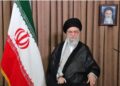




















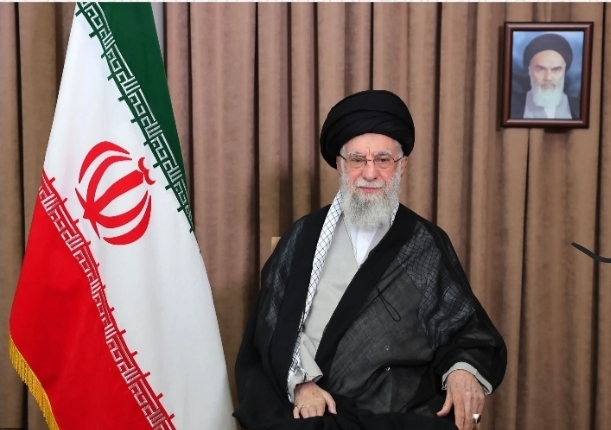
Washington, D.C. – March 4, 2026 – In a candid admission that has sparked international debate, President Donald Trump stated that most of the individuals the United States had considered as potential successors to Iran’s late Supreme Leader Ayatollah Ali Khamenei are now dead, casualties of recent U.S. and Israeli airstrikes. This revelation comes amid escalating tensions in the Middle East, where the assassination of Khamenei on February 28 has left Iran’s leadership in disarray, raising questions about the future governance of the Islamic Republic.
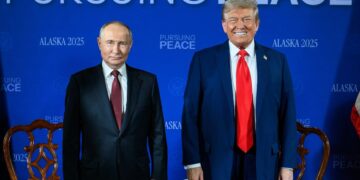
 The strikes, part of what the White House has dubbed “Operation Epic Fury,” targeted key Iranian figures, including Khamenei and senior military officials, in response to alleged Iranian aggression. During a White House meeting with German Chancellor Friedrich Merz on March 3, Trump addressed reporters’ questions about Iran’s next leader, saying, “Well, most of the people we had in mind are dead… We had some in mind from that group that is dead. Now we have another group. They may be dead also, based on reports. So I guess you have a third wave coming.” Trump further expressed concerns that the vacuum could lead to a “worst-case scenario” where a new leader emerges who is “as bad” as Khamenei, potentially undermining the objectives of the military campaign.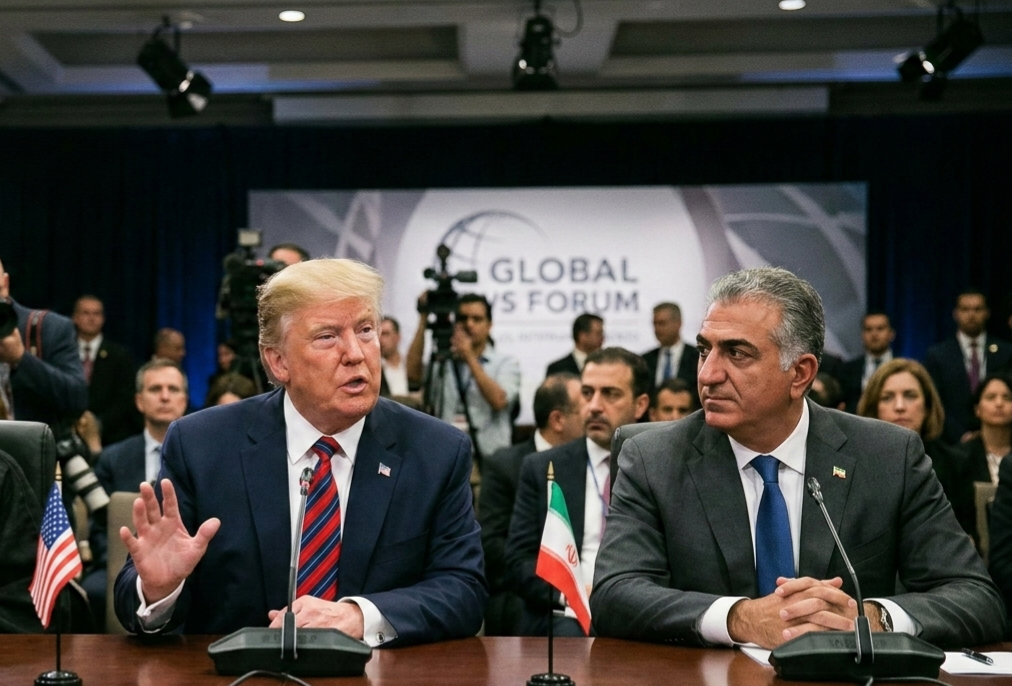
He also voiced skepticism about exiled Crown Prince Reza Pahlavi as a viable option, citing doubts over his domestic support in Iran. The comments have drawn mixed reactions. Supporters, view Trump’s frankness as a sign of decisive leadership in neutralizing threats from the Iranian regime.
 Critics, however, argue that the admission highlights the operation’s potential flaws, portraying it as haphazard and risking prolonged instability.
“It never fails to boggle the mind how people enthusiastically thought this idiot should hold the most powerful position in the world,” one Instagram user remarked, reflecting broader online sentiment.
On the ground in Iran, reports reaching us describe scenes of panic and destruction in Tehran, with civilians witnessing plumes of smoke from targeted sites and rescuers sifting through rubble.The U.S. has urged Americans to evacuate over a dozen Middle Eastern countries amid fears of retaliation.Iranian state media, meanwhile, has condemned the strikes as “barbaric,” vowing resilience despite the leadership crisis.

International stakeholders,emphasize the uncertainty ahead, with no clear successor emerging from Iran’s Assembly of Experts, many of whose members were also reportedly killed. Analysts suggest this could lead to internal power struggles or even calls for regime change, though Trump cautioned that outcomes remain unpredictable.
As the conflict evolves, the White House maintains that the strikes have “knocked out” key Iranian capabilities, but the succession debacle underscores the high stakes involved in reshaping the region’s power dynamics.