











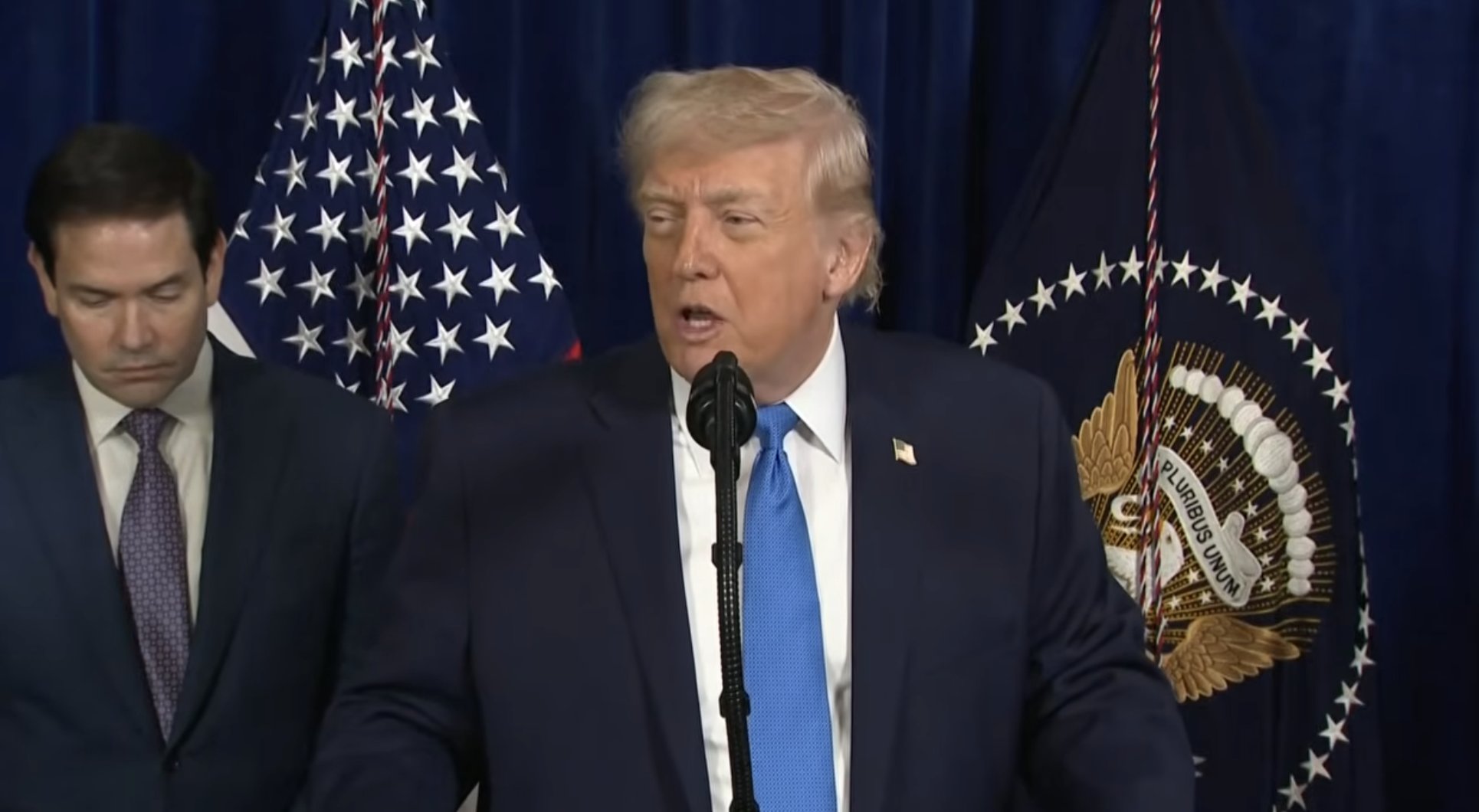

In a bold escalation of U.S. rhetoric amid Iran’s escalating turmoil, President Donald Trump delivered a direct message to the Iranian people on January 13, 2026, urging them to persist in their protests against the regime. Posting on his social media platform, Truth Social, Trump encouraged demonstrators to “keep protesting” and “take over your institutions,” while warning that the “killers and abusers” responsible for the violence “will pay a big price.”
 This statement comes as protests, which erupted in late December 2025 over economic hardships, corruption, and human rights abuses, have morphed into the most significant challenge to Iran’s clerical establishment in decades. The unrest has turned deadly, with human rights groups reporting staggering casualties.
 The U.S.-based Human Rights Activists News Agency (HRANA) estimates that over 2,000 people have been killed since the demonstrations began, including approximately 1,850 protesters and around 135 security personnel. Other sources suggest the toll could be far higher amid intense clashes. The Iranian government acknowledges fatalities but attributes them to “armed groups and terrorists,” a narrative dismissed by rights advocates as an attempt to justify the crackdown. Reports also highlight over 16,000 detentions, internet blackouts, and widespread arrests.
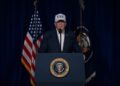
 Trump’s intervention marks a return to his hardline stance on Iran. In his Truth Social post, he explicitly called on protesters to “save the names of the killers and abusers,” implying future accountability, and declared he had canceled all meetings with Iranian officials until the “senseless killing” stops. He further emphasized that even a single death is unacceptable. During remarks in Detroit, Trump reinforced this, stating he could not confirm exact numbers but stressed that “one death is too many” and doubled down on urging protesters to continue and seize control of institutions. “Help is on its way. MIGA!!!”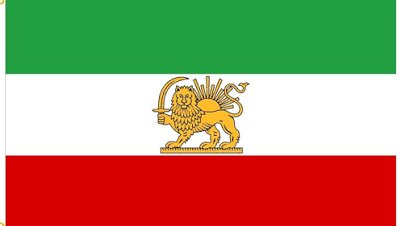
Trump concluded, adapting his signature slogan to rally international solidarity. Stakeholders in global markets are watching closely, as the protests disrupt Iran’s oil exports and heighten geopolitical tensions. Energy prices have spiked amid fears of U.S. involvement, with administration officials noting military options remain “on the table.” Businesses with regional ties face risks from new tariffs—Trump announced a 25% levy on any country doing business with Iran—and potential supply chain interruptions, while investors eye opportunities in a post-regime scenario.
 Human rights groups warn of impending executions, underscoring the crisis’s urgency.As the death toll climbs and protests spread, Trump’s words could galvanize demonstrators or provoke further violence. For stakeholders, this represents not just a humanitarian crisis but a pivotal shift in Middle Eastern dynamics, with profound implications for trade, security, and diplomacy. Whether “help” materializes remains uncertain, but the pressure on Tehran’s rulers is intensifying.