



















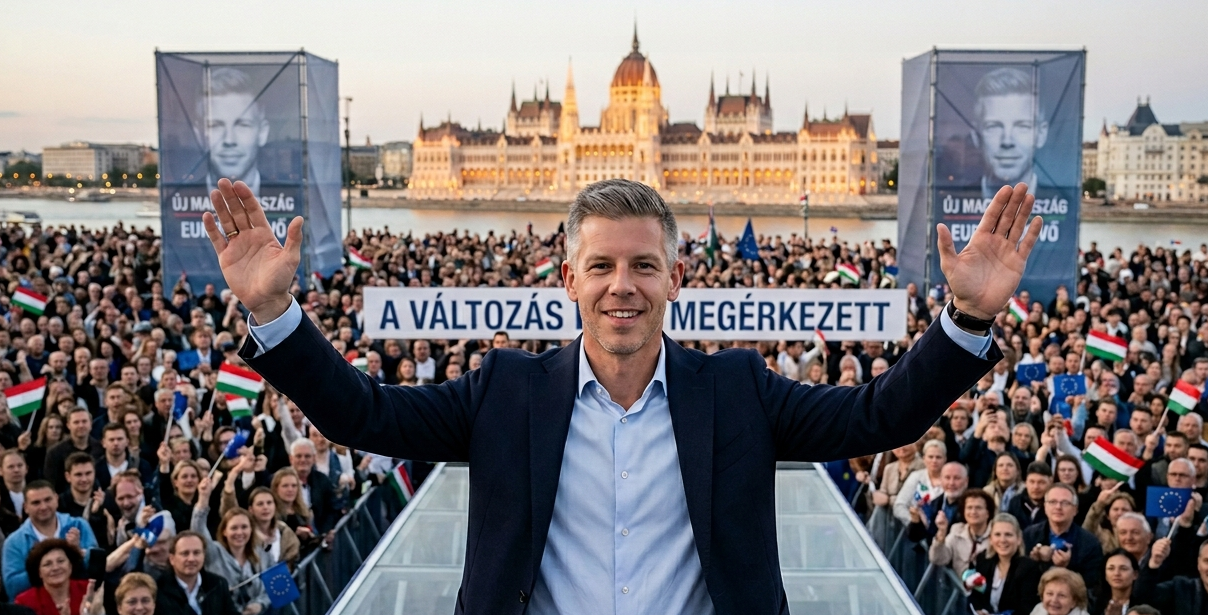
While global markets react nervously to escalating tensions in the Middle East, Central Europe has experienced a profound and unexpected political transformation. In a stunning upset for populist forces across the continent, long-time Hungarian Prime Minister Viktor Orbán has been defeated in a general election after sixteen years of uninterrupted rule. His challenger, Peter Magyar, a former government insider who galvanized the opposition, secured a decisive victory that few pollsters predicted. Magyar ran on a platform of anti-corruption, restoring democratic norms, and repairing Hungary’s strained relationships within the European Union and NATO. His win is being hailed in Brussels as a historic win for integration and a rejection of the “illiberal democracy” model championed by Orbán.

Orbán’s departure marks the end of an era. Under his leadership, Hungary frequently clashed with the EU over the rule of law, media freedom, and migration policy, positioning the country as a focal point for conservative populism globally. The transition will be scrutinized by international partners. A new Hungarian government that is aligned with Brussels could significantly shift the internal dynamics of the EU, particularly regarding decisions that require consensus, such as support for Ukraine. For multinational corporations and investors in Hungary, Magyar’s victory introduces short-term uncertainty during the government transition but offers the long-term potential for a more stable and predictable regulatory environment.
 The global political map is experiencing further strain elsewhere. In Peru, the nation remains locked in a high-tension presidential election where the official count is razor-thin, and charges of fraud are already being traded. Polls have closed in Benin, where the sitting Finance Minister is widely expected to win, offering a rare data point of continuity and fiscal conservatism in West African politics. The outcomes of these disparate contests—from the streets of Budapest to the Andes—reveal a global electorate navigating the deep anxieties of economic and social transformation.