






















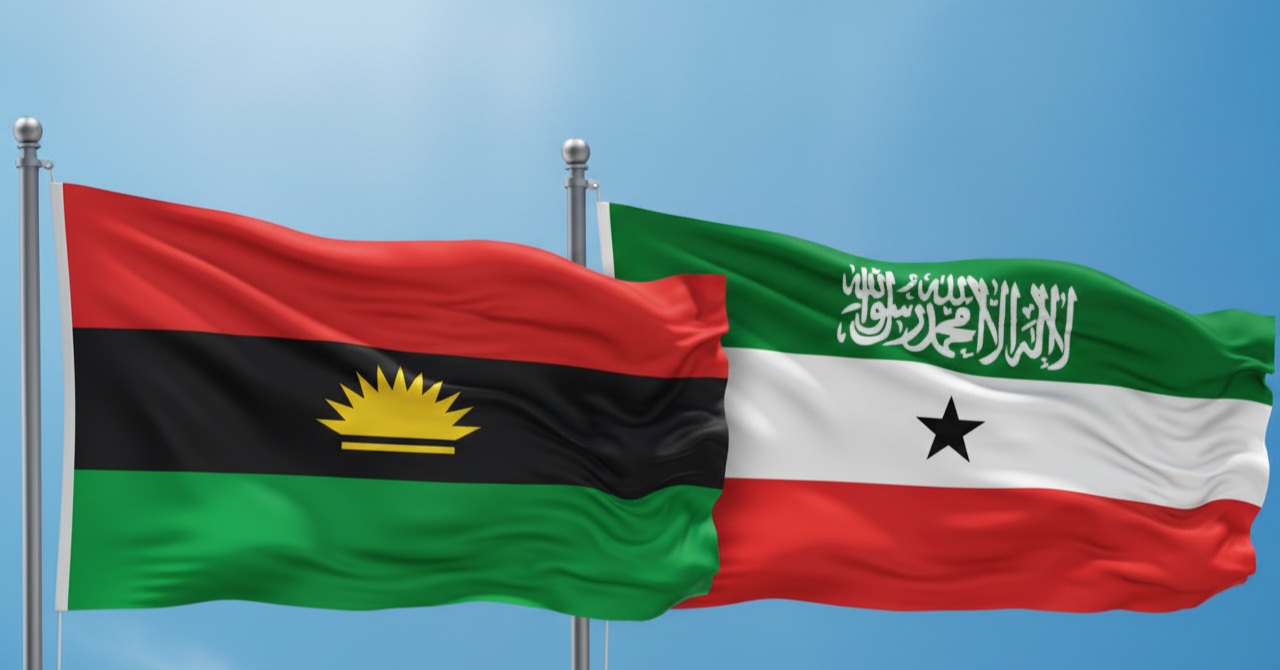
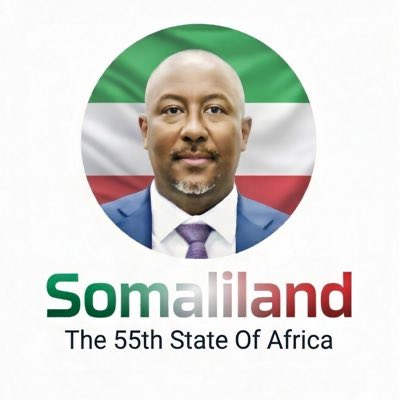
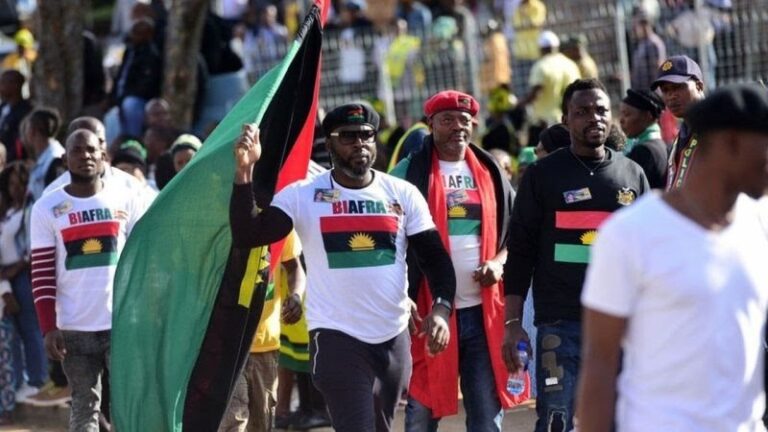
The global geopolitical landscape of 2025 has been marked by a stunning shift in the Horn of Africa. The formalization of strategic partnerships between Somaliland and global powers, coupled with its consistent internal stability, has moved it from a “breakaway region” to a “state-in-waiting. “For proponents of a “56th State” in the form of Biafra, these developments have been met with a mixture of envy and “congratulations to freedom fighters.”
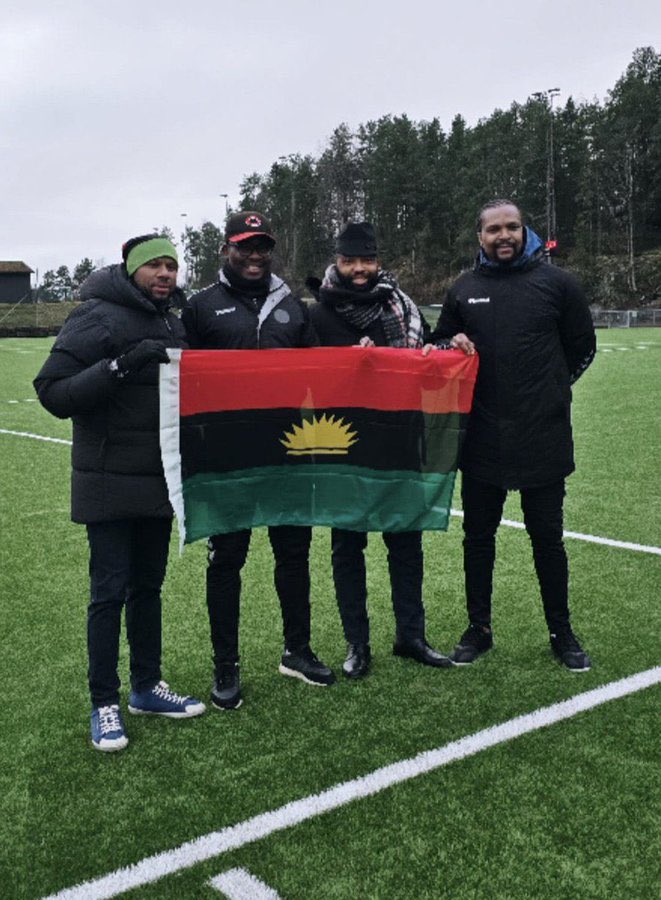 However, a cold, analytical deep-dive into the two movements reveals a widening chasm. If stakeholders in the South-East of Nigeria are to treat Somaliland as a blueprint, they must first confront a brutal reality: Somaliland is winning because it has proven it can govern, while the current Biafran agitation is increasingly proving it can only disrupt. The difference between a nation-in-waiting and a region-in-crisis lies in discipline, institutional integrity, and a refusal to sacrifice one’s own people on the altar of performative outrage.
 The Architecture of Order vs. Systematic Deconstruction
The most striking disparity between Hargeisa (Somaliland’s capital) and the South-East of Nigeria is the focus on building core state attributes. Since its unilateral declaration in 1991, Somaliland did not wait for the world’s permission to act like a state. It built a central bank, issued its own currency (the Somaliland Shilling), established a functional passport system, and, crucially, developed a professional, unified security architecture. In contrast, the Biafran movement—fractured into factions like IPOB, the “Auto-Pilot” group, and various “Government in Exile” syndicates—has spent more time deconstructing its own region than building it. Instead of creating a shadow civil service or a unified diplomatic mission, these groups have focused on:
* Economic Sabotage: The “sit-at-home” orders, often enforced with violence, have cost the South-East an estimated $5 billion in lost productivity, investment flight, and destroyed infrastructure over the last few years.
* Educational Erosion: While Somaliland was building universities that attract international researchers, Biafran factions have targeted students during national exams, effectively mortgaging the intellectual future of the very “nation” they claim to love.
* Institutional Vacuums: In the absence of a unified, constructive leadership, criminal elements have hijacked the secessionist rhetoric to fuel a kidnapping epidemic and local extortion rings.

2. The Myth of the “Exile Savior” and the Digital Dictatorship

Somaliland’s sovereignty was forged in the Shir—the traditional grassroots consultations of clan elders. It was a bottom-up process involving dozens of major reconciliation conferences held inside the territory. Leadership was local, visible, and accountable to the people who would bear the brunt of any conflict.
Conversely, the Biafran struggle has been marred by a bizarre phenomenon: the “Digital Dictator.” We see “leaders” living in Helsinki, London, or the United States, issuing inflammatory decrees from the safety of foreign cities while locals pay the price in blood and hardship. These figures use social media to declare “Governments in Exile”—a move recently dismissed by many mainstream Igbo stakeholders as the work of opportunistic charlatans.
This disconnection has created a “leadership by livestream,” where the reality on the ground in Aba or Onitsha is secondary to the “likes” and “donations” generated on YouTube. Somaliland succeeded because its leaders stayed to build; the Biafran struggle is stalling because its loudest voices have fled to tweet.
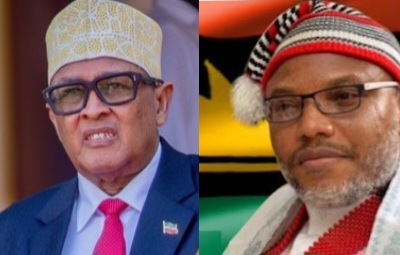
3. Security: Consensus-Based Peace vs. Coercion-Based Terror
Somaliland’s internal security is a marvel. They achieved peace not through secret police or assassination squads, but through a robust intra-clan consensus process that disarmed irregular militias and integrated them into a formal, disciplined military force. They prioritized the protection of the trader, the student, and the investor.
The Biafran landscape in 2025, however, has become a patchwork of coercion. The “sit-at-home” is not a voluntary strike; it is enforced by fear of “unknown gunmen.” Dissenters—even those who support the idea of Biafra but disagree with the methods—are labeled “saboteurs” or “informants,” terms used to justify the extrajudicial killing of kinsmen. This internal “witch-hunt” has created a climate of fear that has driven away Foreign Direct Investment (FDI), with the South-East seeing its share of national investment plummet.
4. The Verdict of Global Stakeholders
The international community is notoriously conservative about redrawing borders. To overcome this, a secessionist movement must prove that its independence would increase, not decrease, regional stability.
Somaliland has made this case by becoming an “oasis of stability” in a chaotic region. They have held multiple peaceful elections where the opposition won and power was transferred without a single shot fired. They have proven they are a responsible partner in the fight against piracy and terrorism.
The current Biafran movement is making the opposite case. By allowing the agitation to be defined by arson, internal killings, and the rhetoric of “exile clowns,” it has signaled to the world that a sovereign Biafra might look more like a fractured zone of conflict than a functioning democracy. No stakeholder, domestic or international, is eager to support the creation of a new state that appears to be in the midst of a pre-emptive civil war between competing factions.
 The Choice Before the Movement
The “56th State” is not a gift that is given; it is a reality that is built through discipline and sacrifice. Somaliland didn’t descend into chaos by tagging dissenters or hunting its own people. They organized, they built, and they governed. If the goal is truly a sovereign state, the strategy of chaos must end. The “sit-at-home” must be buried. The “exile governments” must be ignored. The movement must return to the discipline and moral clarity that it claims to possess. One path leads to the recognition and progress seen in Hargeisa; the other leads to a permanent state of theatrics and blood where the only losers are the Biafrans themselves. The path to sovereignty is paved with the bricks of responsibility, not the ashes of one’s own homeland.
Credits: @Afamdeluxo on X