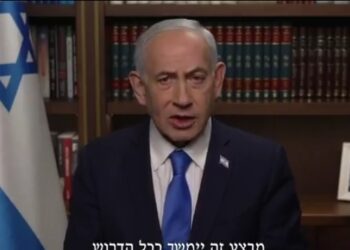












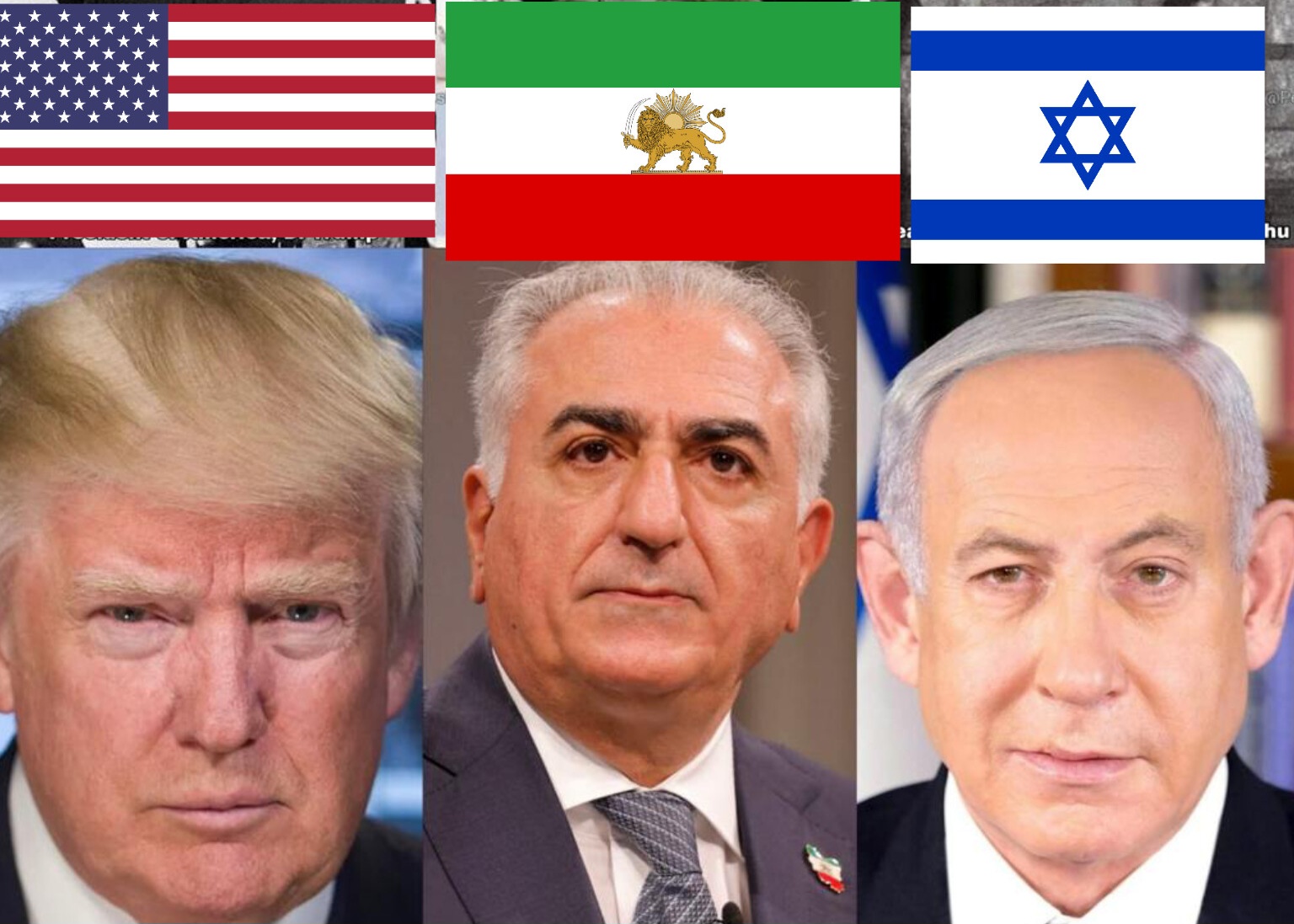
The streets of Tehran are once again a cauldron of defiance. As 2026 begins, the Islamic Republic faces its most existential threat in decades. But unlike previous uprisings, the current “National Revolution” is being shaped by a potent—and controversial—triangulation of power: the rising legitimacy of exiled Crown Prince Reza Pahlavi, the “Maximum Pressure” 2.0 strategy of U.S. President Donald Trump, and the clinical military precision of Israeli Prime Minister Benjamin Netanyahu. For global stakeholders, the question is no longer if the regime will face a reckoning, but whether this trio can orchestrate a transition that avoids regional chaos.
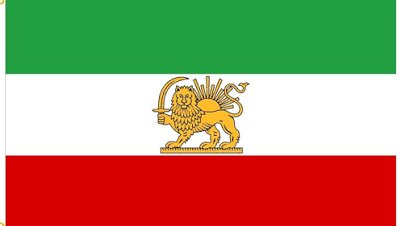
The Return of the Sun and Lion?
For decades, Reza Pahlavi was a figure of symbolic nostalgia. Today, he is a central political actor. As protests ignited in late December 2025 over economic collapse and political repression, slogans of “Long live the Shah” have shifted from the periphery to the heart of the movement. Pahlavi has moved beyond mere rhetoric, calling for a National Strike and positioning himself as a bridge between the street and the international community. His vision—a secular, parliamentary democracy—is gaining traction among a Gen Z population that views the 1979 Revolution as a historical wrong turn. For stakeholders, Pahlavi represents the only “vetted” alternative capable of preventing a power vacuum that the IRGC might otherwise fill.
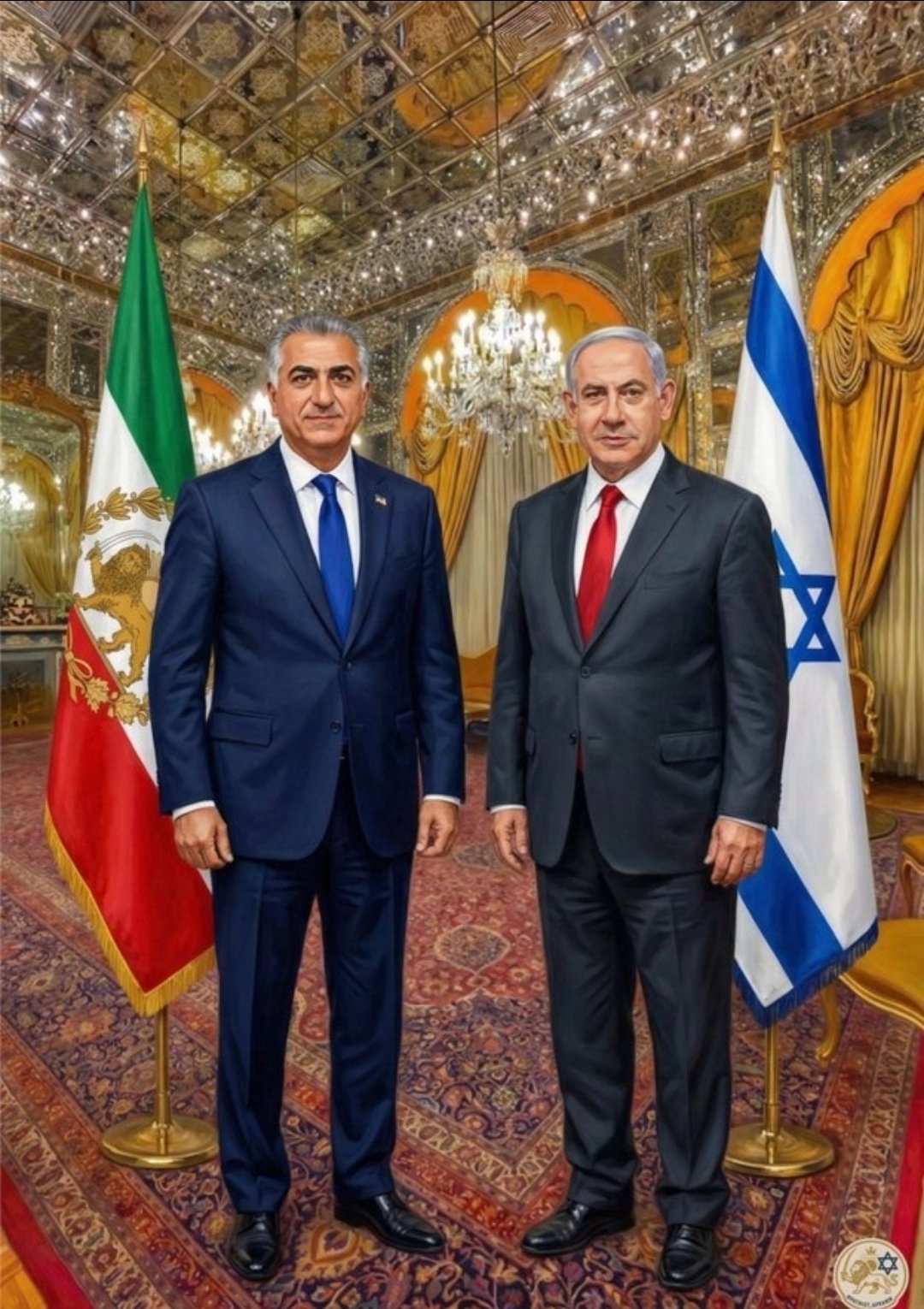 The Washington-Jerusalem Axis: Maximum Pressure 2.0
The geopolitical landscape has shifted dramatically since President Donald Trump’s return to the White House. Within weeks of his inauguration in 2025, Trump restored the “Maximum Pressure” campaign, aiming to drive Iranian oil exports to zero.
 However, the 2026 strategy is far more aggressive:
 * The “Phase Two” Threat: Following the 12-day conflict in June 2025 that crippled Iran’s air defenses, Trump and Benjamin Netanyahu recently met at Mar-a-Lago to discuss a potential second round of strikes.
* Tactical Coordination: While Trump remains wary of “forever wars,” he has signaled that the U.S. will provide the “defense capabilities” and political cover for Israel to ensure Iran’s nuclear and missile programs never recover.
* The “Internal” Front: Netanyahu has openly advocated for “fomenting unrest” from within, viewing the current protests as a strategic opportunity to weaken the regime’s “octopus arms” (proxies like Hezbollah and Hamas) by striking at the “head of the snake” in Tehran.


The Stakeholder’s Dilemma
The convergence of these three forces creates a volatile but potentially transformative moment.
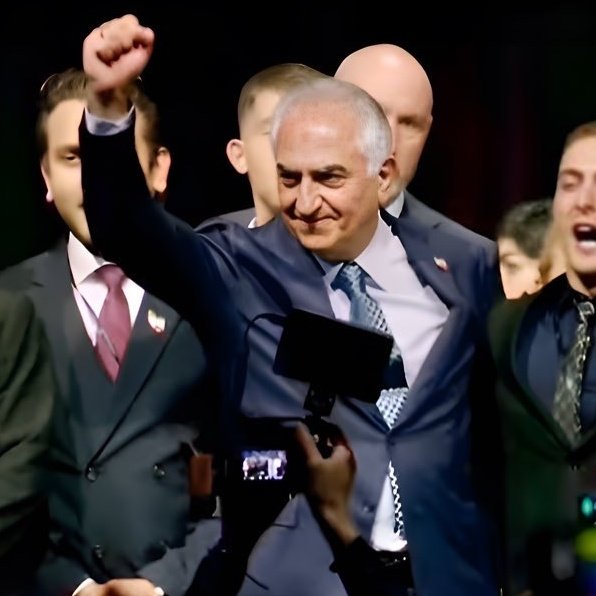
A Year of Reckoning
The Islamic Republic is currently fighting a war on two fronts: a domestic uprising that refuses to be silenced and an international pincer movement led by Washington and Jerusalem. For the first time since 1979, the stars—and the leaders—appear aligned for a fundamental shift in the Middle East.