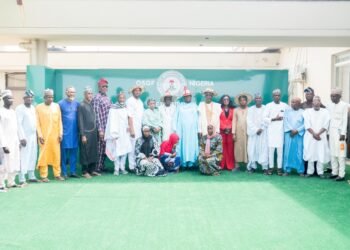



















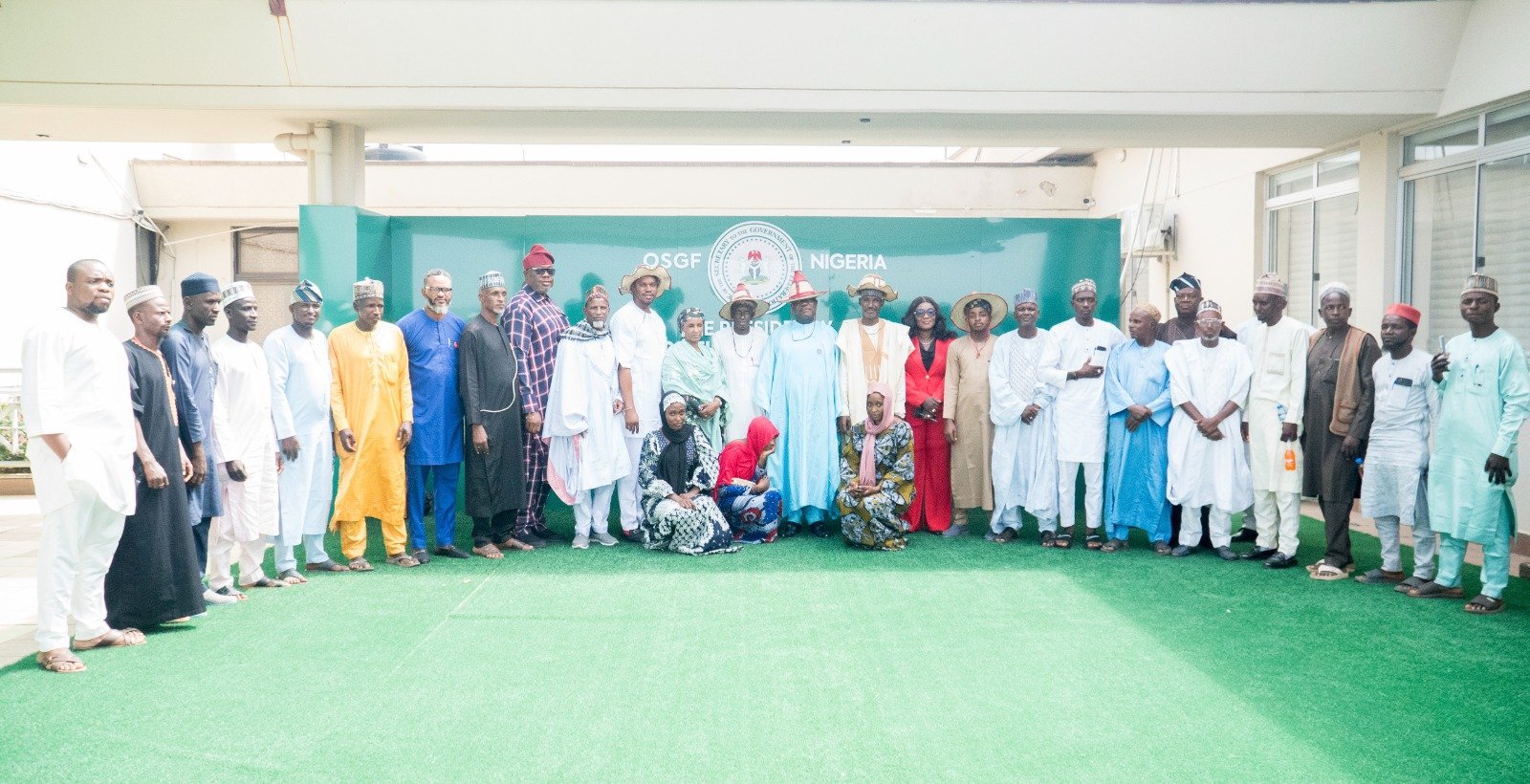
As political realignments gather momentum ahead of the 2027 general elections, the debate over Nigeria’s unwritten north–south power-sharing convention has moved squarely back to the centre of national discourse. Speaking in Abuja during a meeting with a delegation from the Miyetti Allah Fulaku Yesoyeso, Secretary to the Government of the Federation (SGF) Senator George Akume made an unambiguous case that the North should hold off on contesting the presidency until 2031.


According to a statement issued by Akume’s media aide, Yomi Odunuga, the SGF anchored his argument in the political understanding brokered in 1999 at a meeting of Peoples Democratic Party (PDP) governors-elect in Kaduna, convened under the leadership of the late Chief Solomon Lar with the late Adamu Ciroma serving as deputy party chairman. That framework, Akume noted, envisaged alternating eight-year stretches of presidential leadership between the South and the North as a mechanism for fairness, inclusion, and national stability.
Tracing the Rotational Precedent
Reviewing Nigeria’s post-1999 democratic trajectory, Akume pointed to the eight-year presidency of Olusegun Obasanjo, the transition from the late Umaru Musa Yar’Adua to Goodluck Jonathan, and the eight years served by former President Muhammadu Buhari from the North. With power having returned to the South under President Bola Tinubu, Akume contended that the South’s eight-year cycle should run its course—asserting that Tinubu has completed four years and should be permitted another four years—before northern aspirants contest the office again in 2031.
Akume also voiced surprise that former Vice President Atiku Abubakar, whom he said was present at the 1999 Kaduna meeting and party to the consensus, is pursuing the presidency after Buhari’s eight-year northern tenure. Warning against elevating individual ambition above national cohesion, the SGF told political actors: “Let’s not make any mistake. Don’t do anything that will destroy this country, because we will suffer more. Personal ambition should not destroy our country. Wait for your turn.” He cited his own past opposition to the Third Term agenda as an example of placing institutional and democratic stability ahead of expedience, adding that qualified northern candidates would be free to contest in 2031.

Pastoral Priorities and Grassroots Mobilisation
The engagement also spotlighted how sectoral policy and constituency outreach are shaping alignments around the 2027 election cycle. Leading the Miyetti Allah Fulaku Yesoyeso delegation, National President Alhaji Abubakar Suleiman reiterated the group’s support for Tinubu’s continued leadership, pointing to the establishment of the Federal Ministry of Livestock Development as a landmark step in addressing longstanding challenges in pastoral communities.
Suleiman emphasised that policy continuity is vital to consolidate gains in the sector, noting that the association has submitted policy proposals on livestock management, farmer-herder conflicts, protection of farmlands, pastoral education, and animal healthcare. He disclosed that the organisation has launched mobilisation efforts across Kaduna, Yobe, and Borno states—incorporating ranching and information technology professionals to strengthen outreach to rural members.
In response, Akume praised the association’s grassroots mobilisation for Tinubu’s re-election bid and assured the delegation of the administration’s resolve to press ahead with infrastructure delivery nationwide.