












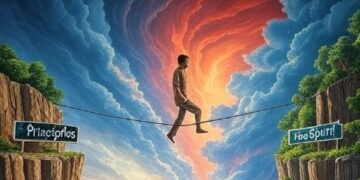



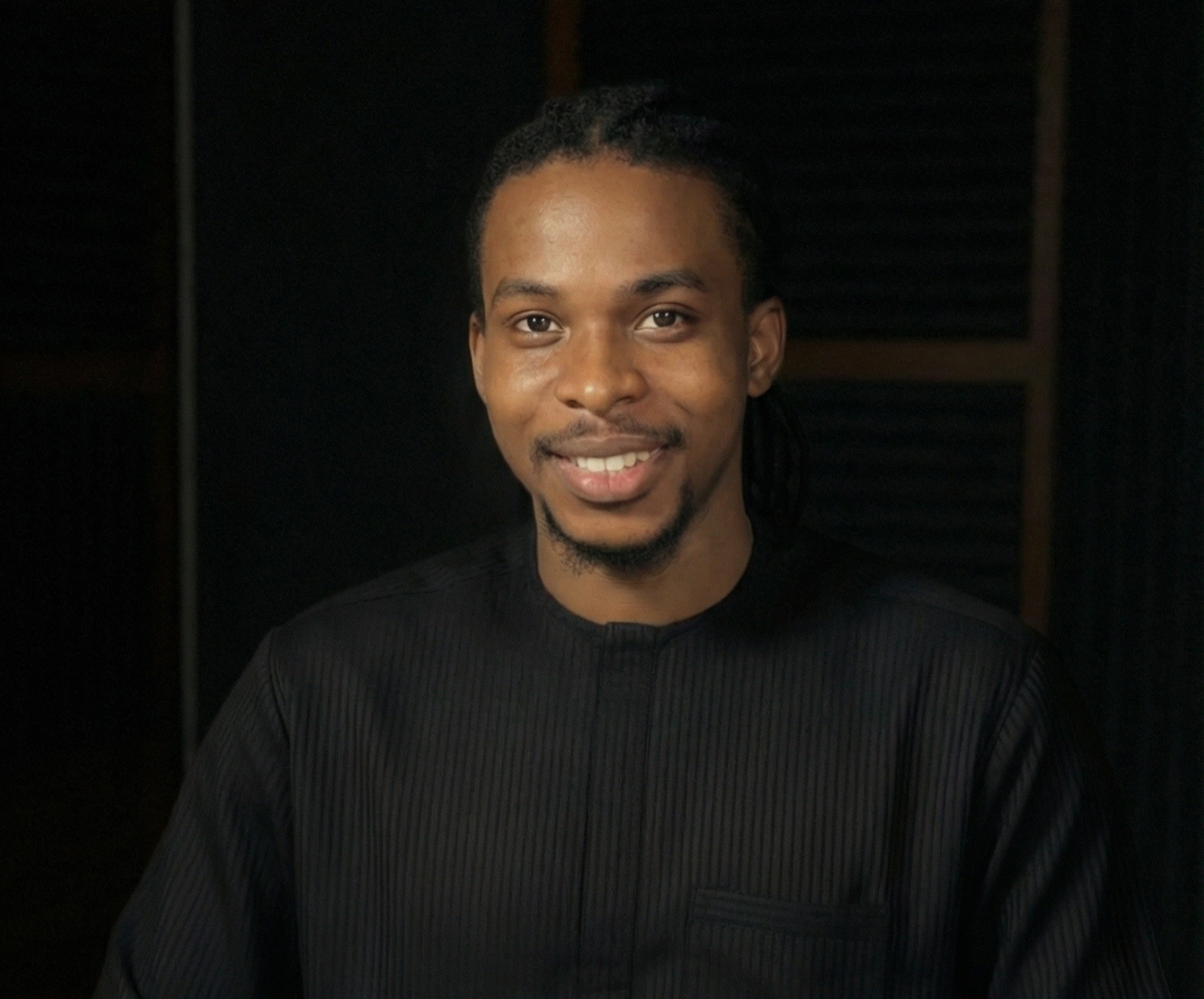
Nigeria is not failing. On the contrary, it is functioning exactly as it was designed. This is the provocative premise offered by Onu Abrahams, an impact documentary filmmaker and narrative strategist who has spent his career at the intersection of capital, culture, and policy. As the founder of 2CJ Stories, Abrahams has built a career on creating “narrative infrastructure” for Nigeria’s most transformative institutions. However, in his latest discourse, he turns his lens toward the national macro-narrative, arguing that what we perceive as systemic “rot” is actually a feature of a predatory design.

The Ledger Before the Flag
To understand the current state of the nation, Abrahams suggests we must look past 1960 or even 1914. Before there was a sovereign flag, there was a corporate ledger. He points out that the territory was essentially purchased from the Royal Niger Company for roughly £900,000. From its inception, he argues, the logic of this space has been one of Return on Investment. When the colonial era ended, the extraction machine wasn’t dismantled; it was merely rebranded. The colonial officer was replaced by the neoliberal technocrat. In his view, the system today exists primarily to facilitate the flow of capital out of the local ecosystem and into the global market.

The National Lobotomy: 1986 and the SAP
A critical turning point identified by Abrahams occurred in 1986 with the introduction of the Structural Adjustment Program (SAP). While framed as economic liberalization, he describes it as a “national lobotomy” that fundamentally altered the Nigerian consciousness. By removing subsidies, devaluing the Naira, and privatizing state assets, the system achieved a brilliant psychological victory by shifting the entire burden of survival onto the individual. This birthed what he calls a “low-vibration” hustle culture—a state of hyper-individualism where we pride ourselves on resilience while trapped in a permanent mode of survival.

The Myth of Meritocracy
As a strategist who speaks fluently across boardrooms and communities, Abrahams is uniquely positioned to critique the “Gospel of Hustle.” He posits that we are told that if we are poor, it is because we aren’t grinding hard enough. He argues that this myth serves to make the individual blame themselves for systemic failures. While acknowledging that hard work matters, he maintains that the system is architected to extract value from labor and transport it upward. He suggests that neoliberalism has replaced collective responsibility with personal shame, conditioning us to compete with our neighbors for scarce resources rather than partnering for a shared reality.
Metaphysical Bondage: Money and Debt
Abrahams goes a step further by exploring the metaphysical nature of our economy. He asserts that money is not a store of value but a claim on future human energy. When the currency is devalued, the hours of life spent earning that money are effectively stolen. Furthermore, he describes national debt as “spiritual bondage.” It ensures that before a Nigerian child is even born, their future labor has already been sold to pay interest on loans that rarely benefit them. He views this as a ritual that ensures the developing world perpetually feeds the global financial system.

The Great Unlearning
The “Japa” phenomenon is often seen as the only escape, but Abrahams warns that physically leaving the enclosure of Nigeria doesn’t guarantee freedom. He observes that one can move to London or New York and remain a prisoner of the same neoliberal logic, just in a cell with better infrastructure. True sovereignty, he suggests, requires a radical shift in perspective. We must stop seeing ourselves as brands and reclaim our inherent value. We must also stop worshipping wealth regardless of how it was acquired. Finally, he points toward ancestral economic models—systems like the susu, communal land trusts, and informal mutual aid networks—which focused on collective resource management rather than individualistic excess.

The Giant Must Wake Up
Abrahams concludes that the system will not collapse on its own because it is a self-healing parasite. However, the parasite dies when the host realizes it doesn’t need the passenger to survive. As a filmmaker whose driving question is often “What would it take for the audience to believe?”, Abrahams challenges us to believe in a different Nigeria. The cage is open, he insists, and the locks are made of propaganda. The “Giant of Africa” doesn’t need to grow; it needs to wake up and recognize the life force that the system is trying to harvest.