

















President Bola Ahmed Tinubu’s recent state visit to the United Kingdom, the first by a Nigerian leader in nearly four decades, was steeped in symbolism and strategic intent. Hosted by King Charles III, the trip revived historic ties, operationalized elements of the Nigeria-UK Strategic Partnership forged in late 2024, and advanced the Enhanced Trade and Investment Partnership.
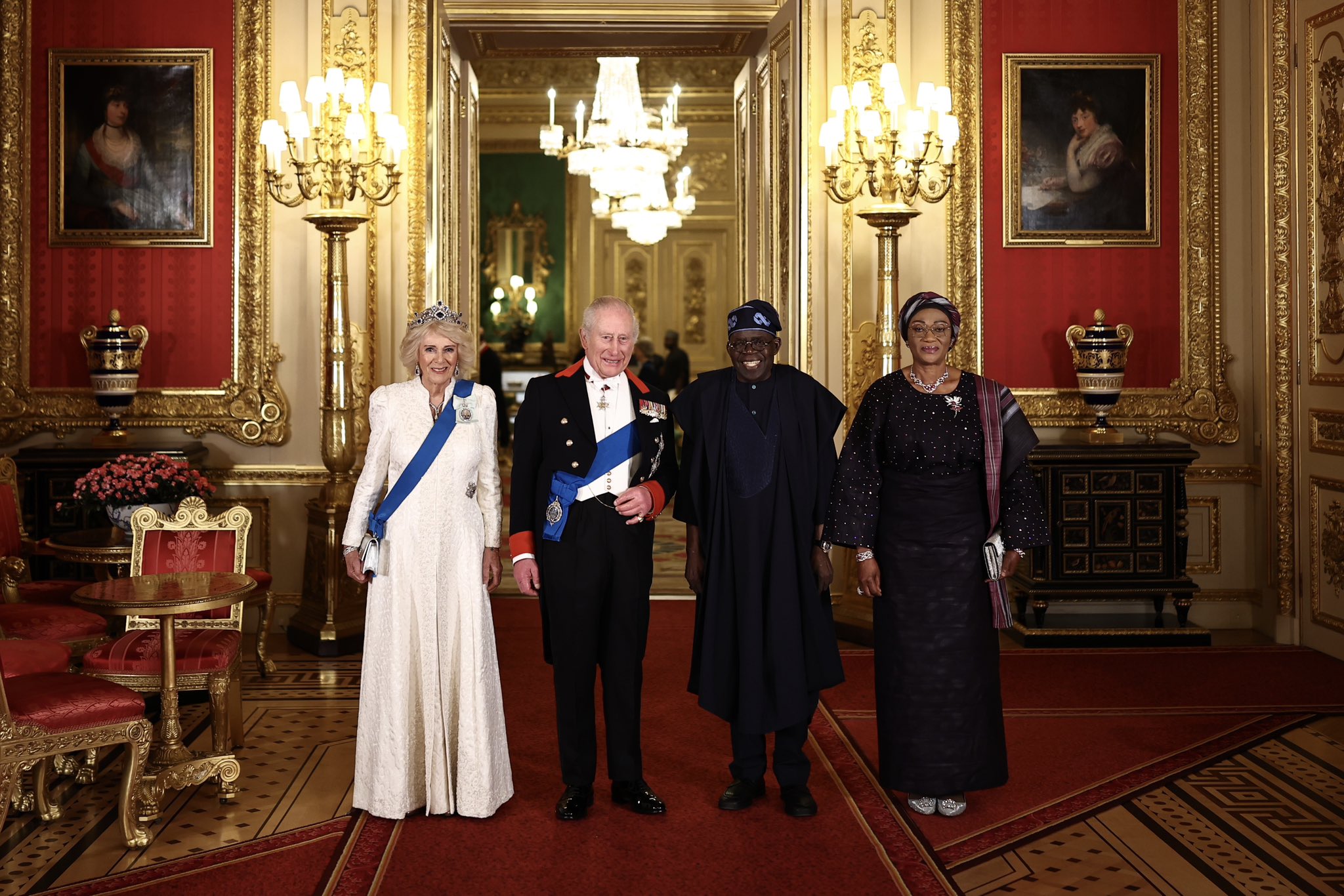
It promised deeper collaboration in energy, infrastructure, technology, security—particularly maritime and counter-terrorism efforts—and greater leverage from the vibrant Nigerian diaspora in Britain. Tinubu’s administration framed the engagement as ushering in a new chapter of mutually beneficial cooperation, underscoring Nigeria’s enduring role as a Commonwealth heavyweight and regional anchor.Yet beneath the polished diplomacy and ceremonial pomp lies a stark reality that Dr. Hoffmann, an Associate Fellow in Chatham House’s Africa Programme, unflinchingly highlights.

Nearly three years into Tinubu’s presidency, his “visibility-driven” foreign policy—marked by relentless high-level summits, frequent presidential travel, and articulate articulation of Nigeria’s interests—has yet to deliver substantial, tangible improvements in the daily lives of most ordinary citizens. The commentary describes this approach as rhetorically sophisticated and occasionally strategically sharp, successfully opening doors for potential investment and partnerships. However, it argues forcefully that such global engagements remain marginal in impact when measured against the persistent hardships at home.Domestic critics have long pointed to the steep costs of these international forays amid soaring poverty, acute food insecurity, widespread insecurity, and eroded purchasing power.

Tinubu’s bold reforms—removing fuel subsidies, unifying exchange rates, and overhauling taxation—have earned international nods, reflected in declining inflation (from peaks above 30 percent in 2024 to roughly 15 percent now), naira stabilization, removal from the FATF grey list, and renewed investor confidence signaled by positive credit outlooks. These macroeconomic signals are real, yet they evoke painful memories of 1980s structural adjustment programs, with inadequate social safety nets leaving many households struggling. Growth remains skewed toward capital-intensive sectors like finance and ICT, while agriculture—vital for livelihoods—continues to reel from banditry, kidnappings, and logistical bottlenecks.

The commentary underscores deeper, structural deficits that no amount of diplomatic finesse can bypass. Insecurity plagues vast regions: jihadist violence in the northeast, organized crime and mass abductions in the northwest and central belt. Nigeria ranks high on global terrorism indices, with thousands killed in political violence over the past year alone. Power remains a national embarrassment, with around 85 million people lacking reliable grid access despite liberalization efforts under the 2023 Electricity Act. Education, health, and skills gaps severely constrain human capital and future productivity. Trade patterns reveal vulnerabilities: heavy dependence on hydrocarbons and imports, limited intra-African commerce, and imbalanced flows with major partners like China.

Dr. Hoffmann concludes that while the UK visit may yield welcome inflows of investment or enhanced security cooperation, these gains are insufficient without a relentless domestic focus. Nigeria’s most pressing work—strengthening local governance, reforming the security sector, expanding access to electricity, education, and healthcare, and rebuilding trust in institutions—must happen primarily at home. Diplomacy is a valuable tool for attracting resources and projecting influence, but it cannot substitute for internal progress. Absent meaningful delivery on these fronts, high-profile global outings risk being perceived as performance rather than progress, potentially fueling cynicism as the 2027 elections approach.

In an era where citizens judge leadership by safety, affordability, and opportunity rather than state dinners and photo ops, the path forward is clear: pair ambitious foreign policy with equally determined domestic renewal. Only then can Nigeria’s international stature truly translate into hope and prosperity for its people.