





















In a country grappling with deepening existential crises, one question echoes with growing urgency among conscious Nigerians, particularly within the Yoruba nation: How did we arrive at this point where raw power, lawlessness, and unbridled ego appear to have supplanted the values of integrity, competence, and collective progress that once defined our political heritage? Former President Goodluck Jonathan, often criticized as weak and ineffective, left behind a legacy anchored on a simple yet profound declaration: “My ambition is not worth the blood of any Nigerian.” That single utterance spoke volumes about restraint and the sanctity of human life amid political contestation.

Contrast that with the current dispensation under President Bola Ahmed Tinubu – the man many Yoruba have elevated to the status of a new idol, complete with branded caps, symphonic praises, and displays of arrogant buffoonery. For three years, what tangible dent has been made in the chronic challenges bedeviling Nigeria? Out-of-school children continue to roam in millions. Maternal and infant mortalities persist at alarming rates. Hunger and misery have become normalized. Electricity remains epileptic. Poverty and unemployment rage unchecked. Beyond grand showboating and rhetorical flourishes, the record is one of startling inaction on the fundamentals that sustain a functioning society.This is not mere policy critique; it is a call for collective introspection, especially among my Yoruba kinsmen scattered across the globe.

If you find yourself cheerleading this era – an era that risks staining our collective reputation and historical legacy – you ought to pause and feel a deep sense of shame. For those who have seemingly lost the capacity for it, allow me to feel it on your behalf, particularly as one who shares in the rich kingship and cultural heritage that binds us.We have been seduced into believing that brigandage, cruelty, illicit influence, and a debauched vainglory equate to masterful strategy. How profoundly sad. Who bewitched us? Yorubas, who exactly bewitched you? History stands as a patient yet unforgiving tutor. It illuminates the pitfalls that the wise sidestep, while the foolish stumble headlong into quicksand. The annals of nations are littered with tales of rise and catastrophic fall, often triggered by power-drunk leaders who drag proud peoples into bigotry, lawlessness, and barbarism.

Consider Germany – a nation of extraordinary cultural and intellectual endowment that produced musical giants like Handel, Beethoven, Bach, Brahms, and Wagner. Yet it fell under the spell of a megalomaniac whose seduction led to global war, genocide, and a moral stain that, though the country has rebuilt economically, can never be fully erased from the soul of its people.Closer home, recall the era of Olusegun Obasanjo – a decorated war general and former military head of state. As civilian president, his vice president, Atiku Abubakar, dragged him to court eleven times. Obasanjo lost every single case. Yet he never attempted to strip the judiciary of its independence or cloak of impartiality. That restraint preserved sacred institutions even amid fierce rivalry.Today, we witness a different spectacle: the systematic undermining of institutions that underpin a society governed by laws and justice. All in service of ego and unchecked power.

Yorubas, it is time for sober reflection. Can we return to the ancient landmarks set by our fathers, as Proverbs 22:28 admonishes – “Do not remove the ancient landmarks which your fathers have set”? Our great ancestors laid paths of discipline, integrity, honor, compassion, empathy, and respect for rules, traditions, and conventions. The current band of political actors – these vagabonds in power (with due apologies to the spirit of Fela Anikulapo Kuti) – lack these noble human values. They are not Omoluabi. They do not represent the best of who we are as a people. They are buccaneers and bandits cloaked in authority.This season of anomie must not define us permanently. We must urgently retrace our steps, purge the poison that has infiltrated our collective system, and reclaim the moral and intellectual high ground that once earned the Yoruba nation respect across Africa and beyond.

To the broader stakeholders of Nigeria – business leaders, intellectuals, traditional rulers, youth, and diaspora communities – the challenge is clear: Tribal loyalty must never trump national survival or the timeless virtues of good governance. When competence is sacrificed on the altar of ethnic solidarity, everyone eventually pays the price in hunger, instability, and lost opportunities.The question is no longer whether we can afford to look away. It is whether we still possess the courage and wisdom to confront the mirror of history before it reflects back a legacy we can no longer recognize.The time for self-introspection is now. The future of our nation – and the soul of our people – depends on it.

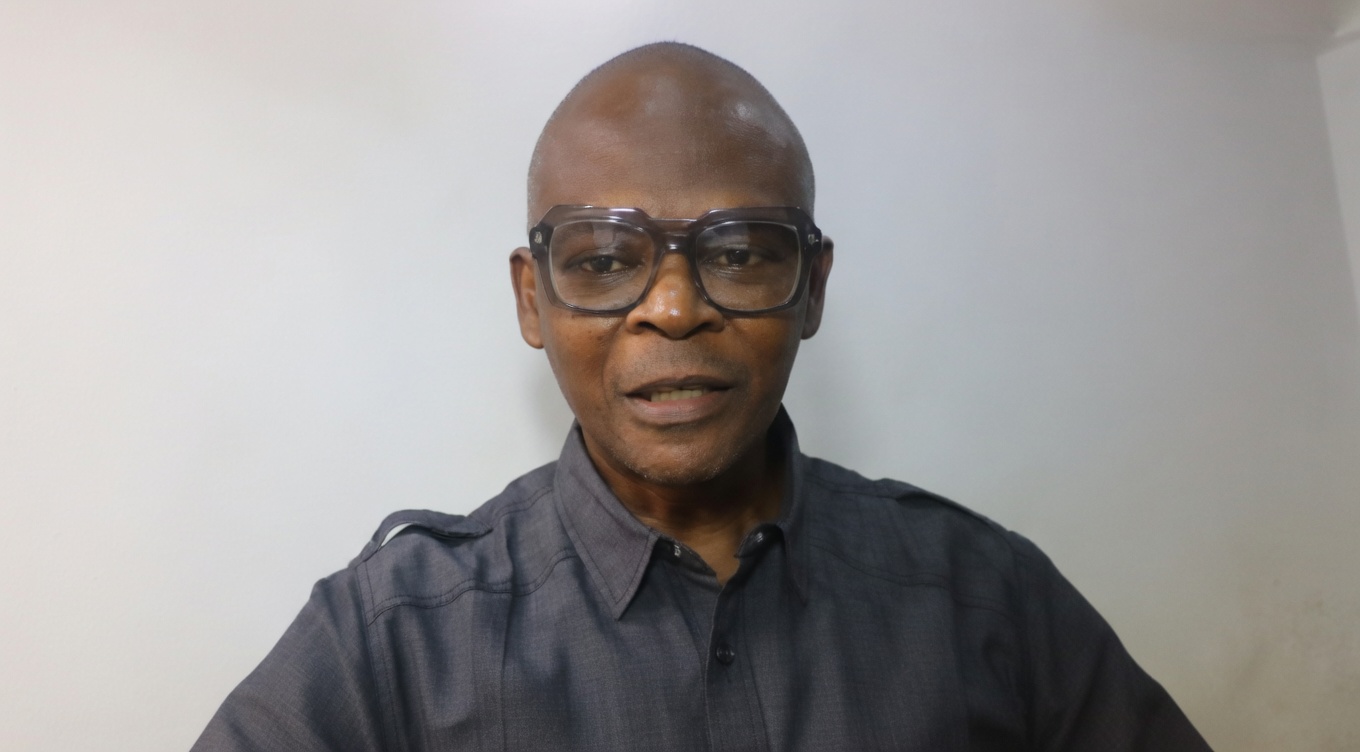
Olawole Oluwade is a strategist, speaker, author, and anchor of “A New Nigeria.” The views expressed are his own and adapted from his widely circulated public address.