






















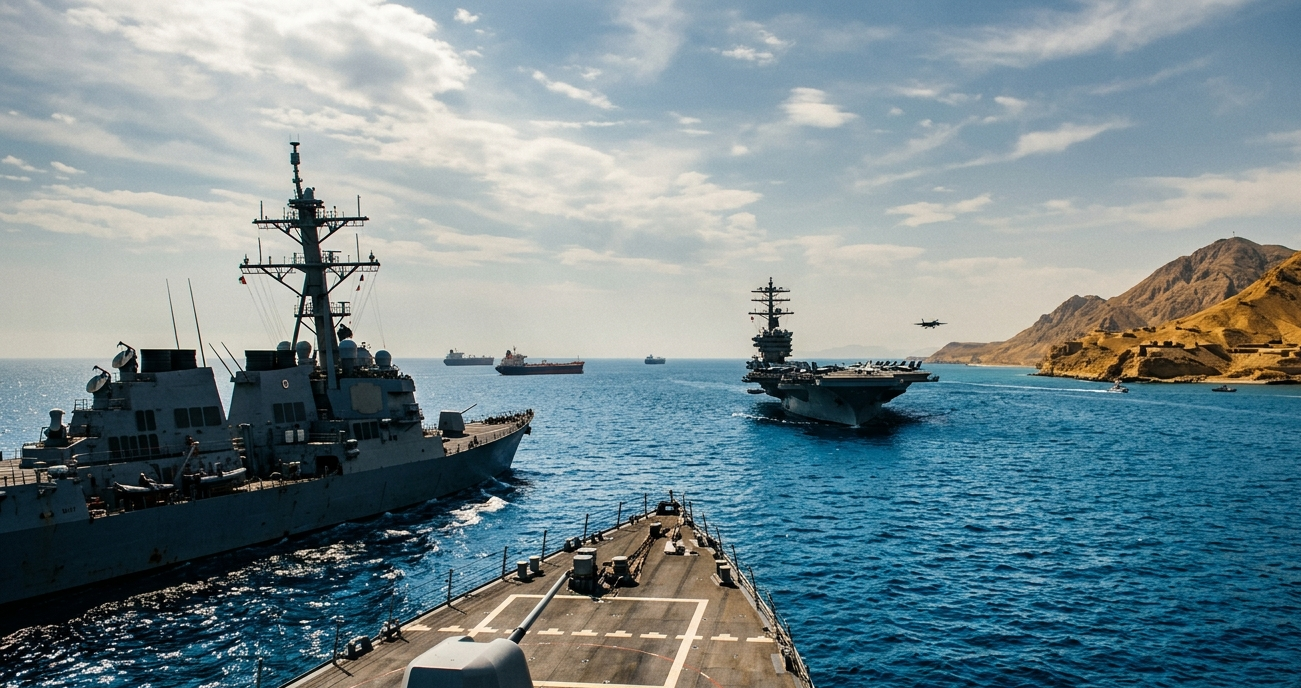
The high-stakes brinkmanship between the United States and Iran has reached a boiling point, potentially disabling the world’s most critical energy artery. Following the complete collapse of 21-hour marathon ceasefire negotiations held in Islamabad, U.S. President Donald Trump has ordered a full-scale maritime blockade of all Iranian ports effective immediately. The President’s directive has sent the U.S. Navy moving rapidly to seal off the Strait of Hormuz, a narrow waterway responsible for the transit of roughly one-fifth of the world’s oil supply. In a swift, aggressive, and highly symbolic move, the U.S. is using what many in the diplomatic community are calling “maximum muscle.”


Tehran reacted immediately, with military officials defining the blockade as an act of international piracy and a declaration of war. Iran has warned that if the blockade proceeds, “no port, no vessel, and no oil facility in the Persian Gulf, the Sea of Oman, or the Red Sea will be safe.” This warning extends beyond conventional naval warfare, suggesting potential threats to energy infrastructure across the entire region. The geopolitical temperature has reached a historical high, with analysts warning that any miscalculation in the coming days could trigger a regional war with global implications.

The economic impact was immediate. Brent Crude oil prices surged, jumping over 8% in early trading to surpass the critical $103-per-barrel mark. This spike is already being reflected in global wheat and fertilizer markets, as logistics firms warn that shipping in the Middle East is now effectively on a war footing. For the general stakeholder, this signals a prolonged return of inflation. The hopes for central bank interest rate cuts this year are rapidly diminishing, as high energy and shipping costs will inevitably bleed into consumer goods. For institutional investors, the crisis represents the re-introduction of “supply shock” volatility to an already fragile global landscape.