






















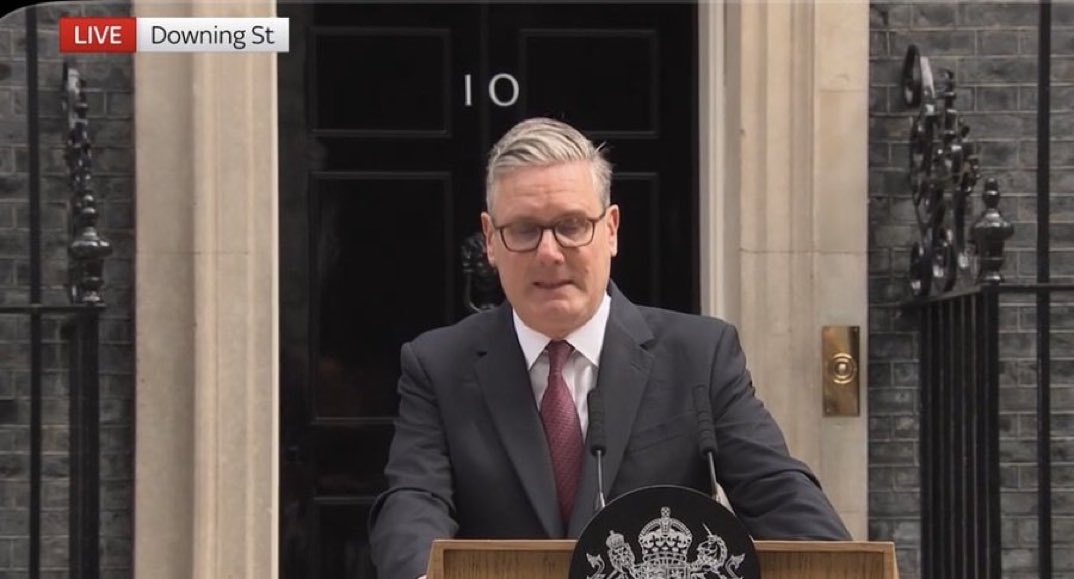
In a dramatic turn that marks the end of one of the shortest premierships in modern British history, Prime Minister Sir Keir Starmer announced his resignation as leader of the Labour Party and as Prime Minister on Monday. Speaking outside 10 Downing Street, Starmer stated he had informed King Charles III of his decision and would remain in a caretaker role until a new Labour leader is selected.

Starmer’s departure comes less than two years after Labour’s landslide victory in July 2024, which ended 14 years of Conservative rule. His tenure, initially hailed as a new dawn for progressive governance, unraveled amid mounting internal party dissent, disappointing local election results, ministerial scandals, and public frustration over issues including winter fuel payment cuts, economic pressures, and immigration.

The Trigger and Immediate FalloutThe final catalyst appears to have been last week’s Makerfield by-election victory by Andy Burnham, the popular former Mayor of Greater Manchester, who is now returning to Westminster. Burnham quickly confirmed he will stand in the upcoming Labour leadership contest, securing early backing from figures like Health Secretary Wes Streeting. Nominations are expected to open on July 9, with a new leader in place by Parliament’s return in September.

In his resignation speech, Starmer emphasized putting “the country I love first,” thanked his wife Vic as his “rock,” and expressed his desire to focus on family. He framed his exit as a principled step to allow Labour to regroup. Markets reacted with relative stability, though analysts warn of continued uncertainty as Britain heads toward its seventh prime minister in a decade.

Implications for StakeholdersFor business and investors: Starmer’s government delivered some stability post-Brexit but faced criticism over fiscal decisions and slow growth. A Burnham-led administration—widely seen as more centrist and regionally focused—could prioritize infrastructure, devolution, and pragmatic economic policies. Construction and regional development sectors may benefit, though short-term volatility around the leadership transition is likely.

For public policy and governance: The rapid turnover underscores deep challenges in UK politics: fragmented parties, voter disillusionment, and the influence of by-elections and local polls. Labour must now unify quickly to avoid further losses to Reform UK or a Conservative resurgence.
For international partners: Starmer maintained strong transatlantic and European ties despite domestic woes. His exit could delay key decisions on trade, defense spending, and climate commitments until a successor stabilizes the government. Looking Ahead Andy Burnham enters as the clear favorite—charismatic, experienced in executive roles, and untainted by Westminster’s recent infighting.

However, other contenders may emerge, and the contest will test Labour’s ability to balance its progressive base with broader electoral appeal. Starmer’s resignation closes a chapter defined by high hopes and harsh realities. For stakeholders across finance, industry, and civil society, the coming weeks offer both risks and opportunities as Britain navigates yet another leadership transition in turbulent times.

Stakeholders Magazine will continue monitoring developments, including the leadership contest timetable and potential policy shifts. For deeper analysis on economic impacts, see our upcoming briefings.