


















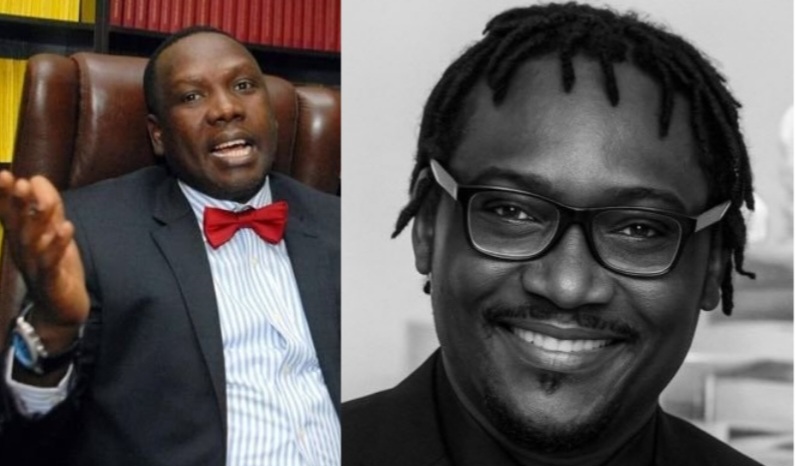
In an era where public trust in government hinges on transparent, accessible communication, the role of Special Adviser to the President on Policy Communication carries immense responsibility. Daniel Bwala, holder of this prestigious portfolio, is tasked with bridging the gap between complex national policies and everyday Nigerians.
 Yet, a close examination of his public engagements reveals a troubling disconnect: a preference for sharp social media retorts over substantive policy explanation.Bwala’s recent social media X post exemplifies this irony. Mocking Bolaji Abdullahi, spokesperson for the African Democratic Congress (ADC), Bwala dismissed the opposition figure as “confused” about his party’s ideology, branded the ADC an “Association for a wild goose chase,” and questioned the credibility of Abdullahi’s book, The Loyalist.
The post, laced with a casual “Lol,” captured attention online but offered little insight into the pressing fiscal challenges confronting the nation.At the heart of these challenges is the Nigeria Tax Act (NTA) and Nigeria Tax Administration Act (NTAA), which took effect on January 1, 2026. Intended to streamline revenue generation and support economic growth, the reforms have instead sparked widespread concern. Global advisory firm KPMG, in its January 2026 analysis titled “Nigeria’s New Tax Laws: Inherent Errors, Inconsistencies, Gaps and Omissions,” highlighted serious issues—including discrepancies in VAT exemptions, compliance-linked deductibility rules, and potential lacunae that could complicate business operations and taxpayer compliance.
 Compounding the uncertainty is the so-called “gazetting scandal.” Allegations surfaced that the published versions of the laws deviated from the harmonized bills passed by the National Assembly, prompting the legislature to release “certified” texts in response. Meanwhile, Northern Governors have raised alarms over the VAT derivation model, fearing it could disadvantage their states and widen regional economic divides.These are not fringe partisan critiques; they come from respected professionals, lawmakers, and subnational leaders.
 They demand clear, authoritative communication from the presidency—precisely the kind the Special Adviser on Policy Communication is positioned to provide.Instead of engaging these substantive issues—clarifying KPMG’s findings, addressing gazetting discrepancies, or reassuring citizens on regional impacts—Bwala’s timeline often prioritizes online sparring. This approach risks eroding public confidence at a critical juncture. When a senior presidential aide opts for viral clapbacks over policy demystification, it signals that the administration may value social media optics more than earning buy-in for transformative reforms.Nigeria’s fiscal landscape is at a pivotal moment.
 Businesses grapple with implementation ambiguities, citizens worry about cost-of-living pressures, and regional tensions simmer. The country needs communicators who can translate technical reforms into relatable terms, confront legitimate criticisms head-on, and foster national consensus. Bwala’s credentials—a legal practitioner, Notary Public, and Barrister at Lincoln’s Inn—equip him well for this role. But the office demands more than witty exchanges; it requires gravitas, depth, and a relentless focus on clarity.The time has come for a shift in approach. Drop the petty barbs. Embrace the weight of policy communication.
Nigerians deserve—and urgently need—a Special Adviser who prioritizes substance over spectacle.In doing so, Bwala can help restore trust, calm anxieties, and advance the very reforms his principal champions. The stakes are too high for anything less.