























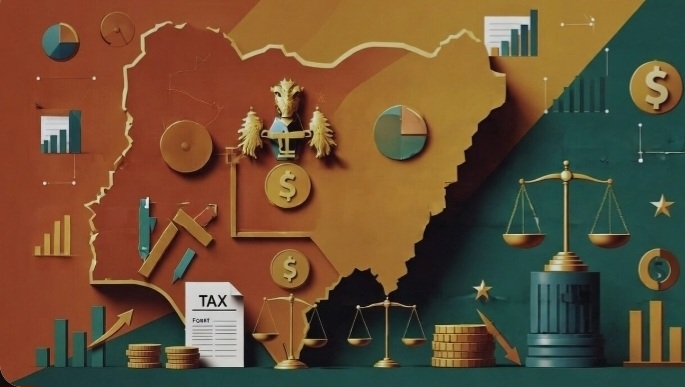

In the heart of Africa’s largest economy, a seismic shift is underway. As of January 1, 2026, Nigeria’s ambitious tax reforms have fully kicked in, promising to streamline a bloated system while igniting a firestorm of debate. Signed into law by President Bola Tinubu on June 26, 2025, these changes—encompassing the Nigeria Tax Act and three companion bills—aim to consolidate over 50 overlapping taxes into a unified framework, boost revenue for sustainable development, and foster a more business-friendly environment. But as stakeholders from boardrooms to street corners weigh in, the question looms: Is this a bold leap toward fiscal maturity, or a hasty gamble that could exacerbate inequality and economic strain? The Reforms at a Glance: What’s Changing?At its core, the 2026 tax reforms seek to modernize Nigeria’s outdated fiscal architecture, which has long been criticized for inefficiency and loopholes exploited by multinationals and elites.
 VAT and Sector-Specific Tweaks: Value-added tax (VAT) adjustments aim to broaden the revenue base, with exemptions for basic necessities but increases on non-essentials. Petroleum taxes are now dollar-denominated, tying them to global markets. Proponents, including the Presidential Fiscal Policy and Tax Reforms Committee chaired by Taiwo Oyedele, argue these measures will drive macroeconomic stability, balance the national budget, and propel Nigeria toward a $1 trillion economy.
 The Chorus of Support: A Step Toward Equity and Growth for many business leaders and economists, the reforms represent a long-overdue reset. MSMEs, which form the backbone of Nigeria’s economy, stand to gain from simplified processes and tax certainty, reducing the administrative headaches that stifle innovation. Supporters highlight how the changes address commercialization loopholes, such as taxing profits from religious institutions’ business ventures like universities and media outlets, promoting social justice in a nation where fiscal equity is often elusive. Financial analysts point to potential revenue boosts for infrastructure in critical sectors like healthcare and education, funded by plugging leaks in the system. Events like the Cowry Quarterly Economic Discourse, featuring Oyedele himself, underscore the optimism, with discussions framing the reforms as essential for diversification beyond oil. As one X user noted, “Nigeria needed tax reform: simplification, modernisation, tax cuts, and tax certainty,” acknowledging imperfections but favoring progress over stagnation.
 The Backlash: Flaws, Fears, and “Unauthorized Alterations”Yet, the discourse has been anything but unanimous. Critics, including opposition figure Peter Obi, have decried the reforms as riddled with 31 “critical flaws,” from lack of transparency to undue burdens on the middle class. Obi and others argue for a pause, citing inconsistencies and alleged illegal insertions in the final bills that favor politicians while sidelining accountability measures like tying revenue sharing to productivity. Social media amplifies these concerns, with posts labeling the changes a “disaster” that will inflate costs through regressive VAT hikes, turning a ₦5,000 purchase into ₦7,000 and eroding purchasing power without price controls. The People’s Democratic Party (PDP) echoes this, urging suspension amid claims of “illegal changes.” Consultants like KPMG have weighed in, prompting government rebuttals that dismiss critiques as mere “policy preferences.”
 Stakeholder Perspectives: From Boardrooms to the Streets Businesses are divided. While large corporations brace for tighter scrutiny, MSMEs and freelancers see opportunities in eased remote work rules.
 Looking Ahead: Boon for Growth or Burden on the Masses?As Nigeria navigates this fiscal crossroads, the true test lies in execution. Will the reforms deliver promised growth, or will implementation gaps widen inequality? Stakeholders Magazine urges balanced dialogue: Push for amendments where flaws exist, but recognize the potential for a fairer system. With debates raging from Lagos boardrooms to Abuja corridors, one thing is clear—Nigeria’s tax story is far from over. The coming months will reveal whether this overhaul unites or divides a nation hungry for progress.
The Reforms at a Glance: What’s Changing?At its core, the 2026 tax reforms seek to modernize Nigeria’s outdated fiscal architecture, which has long been criticized for inefficiency and loopholes exploited by multinationals and elites.Key highlights include: Simplified Taxation: The Nigeria Tax Act merges disparate rules into a single code, eliminating redundancies and introducing a ₦800,000 annual tax-free threshold for low-income earners. This means millions of Nigerians earning below this—roughly equivalent to the national minimum wage—will pay zero personal income tax.
Progressive Brackets and Deductions: Higher earners face graduated rates, starting at 20% for incomes above ₦800,000, with deductions available for proactive taxpayers. Businesses, especially micro, small, and medium enterprises (MSMEs), benefit from reduced compliance burdens and exemptions on capital gains tax (CGT) for certain assets.
Targeting Big Players: The laws rewrite rules for multinational enterprises (MNEs), closing grey areas in oil companies and blue-chip firms. Remote workers can now access foreign gigs without requiring overseas companies to register locally, potentially unlocking new income streams.
VAT and Sector-Specific Tweaks: Value-added tax (VAT) adjustments aim to broaden the revenue base, with exemptions for basic necessities but increases on non-essentials. Petroleum taxes are now dollar-denominated, tying them to global markets. Proponents, including the Presidential Fiscal Policy and Tax Reforms Committee chaired by Taiwo Oyedele, argue these measures will drive macroeconomic stability, balance the national budget, and propel Nigeria toward a $1 trillion economy.Oyedele has emphasized that most Nigerians will pay less overall, with the focus on efficiency and growth rather than extraction.
The Chorus of Support: A Step Toward Equity and Growth for many business leaders and economists, the reforms represent a long-overdue reset. MSMEs, which form the backbone of Nigeria’s economy, stand to gain from simplified processes and tax certainty, reducing the administrative headaches that stifle innovation. Supporters highlight how the changes address commercialization loopholes, such as taxing profits from religious institutions’ business ventures like universities and media outlets, promoting social justice in a nation where fiscal equity is often elusive. Financial analysts point to potential revenue boosts for infrastructure in critical sectors like healthcare and education, funded by plugging leaks in the system. Events like the Cowry Quarterly Economic Discourse, featuring Oyedele himself, underscore the optimism, with discussions framing the reforms as essential for diversification beyond oil. As one X user noted, “Nigeria needed tax reform: simplification, modernisation, tax cuts, and tax certainty,” acknowledging imperfections but favoring progress over stagnation.The Backlash: Flaws, Fears, and “Unauthorized Alterations”Yet, the discourse has been anything but unanimous. Critics, including opposition figure Peter Obi, have decried the reforms as riddled with 31 “critical flaws,” from lack of transparency to undue burdens on the middle class. Obi and others argue for a pause, citing inconsistencies and alleged illegal insertions in the final bills that favor politicians while sidelining accountability measures like tying revenue sharing to productivity. Social media amplifies these concerns, with posts labeling the changes a “disaster” that will inflate costs through regressive VAT hikes, turning a ₦5,000 purchase into ₦7,000 and eroding purchasing power without price controls. The People’s Democratic Party (PDP) echoes this, urging suspension amid claims of “illegal changes.” Consultants like KPMG have weighed in, prompting government rebuttals that dismiss critiques as mere “policy preferences.”Regional tensions add fuel: Northern governors initially opposed aspects seen as disadvantaging their states, though compromises like maintaining the Nigeria Revenue Service bill have eased some friction. Public sentiment, as captured on X social media platform threads, reveals deep mistrust in how revenues will be deployed, with fears that increased collections will fund elite extravagance rather than public goods.
Stakeholder Perspectives: From Boardrooms to the Streets Businesses are divided. While large corporations brace for tighter scrutiny, MSMEs and freelancers see opportunities in eased remote work rules.Citizens, however, worry about indirect hits: Higher VAT could trigger widespread price gouging, disproportionately affecting the poor despite exemptions. Religious leaders face a novel debate on taxing their commercial empires, with calls for equity arguing that “God’s business” should contribute to national coffers when it competes in the marketplace. The government remains steadfast, rejecting delays and affirming full readiness for implementation. As President Tinubu declared, there’s “no going back,” positioning the reforms as pivotal for fiscal efficiency and national development.
Looking Ahead: Boon for Growth or Burden on the Masses?As Nigeria navigates this fiscal crossroads, the true test lies in execution. Will the reforms deliver promised growth, or will implementation gaps widen inequality? Stakeholders Magazine urges balanced dialogue: Push for amendments where flaws exist, but recognize the potential for a fairer system. With debates raging from Lagos boardrooms to Abuja corridors, one thing is clear—Nigeria’s tax story is far from over. The coming months will reveal whether this overhaul unites or divides a nation hungry for progress.