























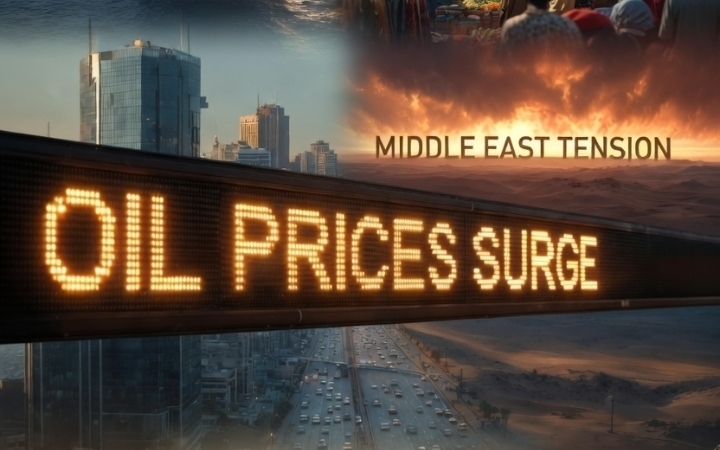
Brent crude has surged dramatically, climbing to around $92.69 per barrel as of early March 2026—with recent peaks nearing $94 amid escalating geopolitical tensions in the Middle East disrupting global supply routes. This sharp rise, up over 8% in a single day and more than 34% in the past month, marks one of the most significant weekly gains in recent years. For Africa, particularly oil-exporting nations, this volatility presents a powerful yet precarious opportunity, balancing potential economic windfalls against intensified inflationary pressures and structural vulnerabilities.

The Rewards: Boosting Revenues and Energizing Key Sectors
Oil-exporting countries across the continent stand to benefit substantially from elevated prices. Nigeria, as Africa’s leading producer, sees direct gains in export earnings and fiscal inflows. With production efforts underway to approach higher targets—potentially reaching 1.7 million barrels per day through new grades like Cawthorne—higher Brent levels exceed conservative budget assumptions (such as $64.85 per barrel for 2026), offering incremental revenue to strengthen foreign reserves, support infrastructure, and ease borrowing pressures.

The energy sector has responded robustly to these dynamics. On the Nigerian Exchange (NGX), the Oil & Gas index has led sectoral performance, surging 33.63% in February 2026 alone and contributing to broader market momentum with the All-Share Index climbing toward 200,000 points. Stocks in the sector have outperformed, driven by renewed investor interest and strong trading volumes exceeding billions of shares. This momentum extends to related areas like industrial goods, where gains reflect spillover effects from higher energy revenues into economic activity, job creation, and potential dividend boosts for shareholders. For investors and businesses in energy and upstream operations, the environment favors hedging against global downturns while capitalizing on price-driven valuations in a market where participation remains low but growing.

The Risks: Inflation, Food Costs, and Broader Vulnerabilities
Yet the advantages come with sharp downsides, particularly for import-reliant economies and households. Rising crude prices inflate transportation, fertilizer, and production costs, exacerbating food inflation across Sub-Saharan Africa. Nations heavily dependent on imports face acute pressures—Nigeria, for instance, contends with currency volatility and supply chain disruptions that amplify staple costs.

Projections indicate steep food price increases in several African countries for 2026, with Nigeria topping lists at around 17.1% food inflation due to import reliance, exchange rate fluctuations, and domestic challenges. Even oil producers feel the pinch: higher global energy costs can reignite imported inflation, squeezing consumer spending and potentially offsetting revenue gains if production fails to keep pace with targets amid ongoing issues like theft and infrastructure constraints.

Geopolitical factors driving the surge—disruptions in key shipping lanes—raise the specter of prices breaching $100 per barrel, heightening risks of capital flight, supply chain interruptions, and broader economic instability for non-exporters while complicating diversification efforts continent-wide.

Strategic Imperatives for Stakeholders
Africa’s stakeholders—policymakers, business leaders, and investors—must adopt nuanced approaches to navigate this landscape. Oil exporters should channel windfalls into diversification, prioritizing agriculture modernization, renewable energy, and local refining to buffer against future volatility and reduce food import exposure. Hedging instruments and production enhancements can secure gains, while boosting capital market engagement through incentives and education could spread resilience beyond energy.

As Middle East tensions persist and supply uncertainties loom, the continent faces a critical juncture. Elevated oil prices offer a pathway to fiscal strength and sectoral growth, but only sustainable reforms can transform short-term surges into long-term prosperity—mitigating the inflationary bite and fostering inclusive development across diverse economies.