























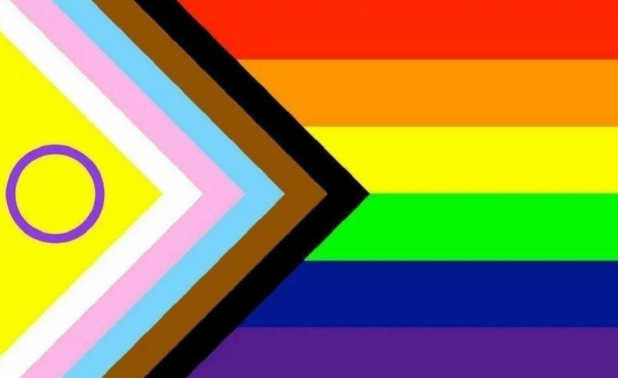
In recent years, a significant schism has emerged within the broader LGBTQ+ community, with increasing calls from some lesbian, gay, and bisexual individuals and organizations to formally separate from transgender, queer, and other identities under the TQ+ umbrella. This debate, often framed as a necessary “divorce,” highlights deep divisions over priorities, definitions of identity, and the direction of advocacy efforts.

Roots of the Rift
The tension stems from fundamental differences in focus.For many in the LGB camp, sexual orientation—same-sex attraction based on biological sex—remains distinct from gender identity concerns central to TQ+ advocacy. Critics argue that the expansion of the umbrella has shifted resources and attention toward gender ideology, including debates over youth transitions, sports participation, and self-identification policies, sometimes at the expense of core LGB issues like same-sex attraction rights and protections. Prominent voices have described the alliance as “forced teaming,” where unrelated struggles are conflated, diluting efforts for both groups. Some LGB advocates express frustration that modern Pride events and organizations prioritize TQ+ narratives, including what they view as ideological overreach or the inclusion of controversial elements that alienate broader society.

The Formation of LGB International
A pivotal development occurred in September 2025, when 18 organizations from countries including the UK, Canada, Australia, Spain, and Iceland announced the launch of LGB International. This coalition declared independence from mainstream LGBTQ+ structures, asserting that transgender and queer activism had undermined the original goals of lesbian, gay, and bisexual rights. The group emphasizes advocacy grounded in biological sex reality and prioritizes same-sex attracted individuals’ interests without entanglement in gender identity politics.
This move echoes earlier efforts, such as the UK’s LGB Alliance, founded in 2019 to focus exclusively on LGB concerns amid disagreements with trans-inclusive policies from groups like Stonewall. Supporters view these initiatives as reclaiming space for “common sense” approaches to sexuality, free from what they see as ideological excesses.

Voices from Within the Community
The debate reveals diverse perspectives. Some LGB individuals argue for separation to protect hard-won gains in acceptance and marriage equality, fearing backlash from TQ+ associations. Others, including some who identify as conservative or gender-critical, highlight discomfort with rapid expansions of gender categories or perceived impositions on free speech and women’s spaces.

Conversely, many within the broader community reject division, insisting that historical solidarity—forged in shared battles against discrimination—remains essential. They point to intersections, such as trans lesbians and gay trans men, arguing that splitting erases lived realities and weakens collective power against ongoing threats like rising hate crimes and restrictive legislation.Critics of the separation push label it a wedge tactic amplified by external forces, including far-right networks seeking to fragment minority coalitions. They maintain that no true LGB community exists without recognizing gender diversity, and attempts to “drop the T” serve exclusionary agendas rather than genuine advocacy.

Implications for Stakeholders
For policymakers, corporations, and advocacy groups, this evolving dynamic poses strategic challenges. Pride initiatives and DEI programs may face pressure to clarify alignments, while brands risk alienating segments of the community depending on their stance. Legal and charitable frameworks are also affected, as seen in ongoing disputes over organizational status and funding. The rift underscores broader questions about identity politics: Can diverse experiences thrive under one banner, or does specialization strengthen impact? As one commentator noted, the debate is not merely about labels but about whose voices define the future of rights movements.Whether this leads to lasting separation or renewed dialogue, the conversation reflects a community grappling with its identity in a polarized era.Stakeholders across sectors must navigate these tensions thoughtfully, balancing inclusion with the realities of distinct struggles. The rainbow may be fraying at the edges, but its colors continue to spark vital discussions on equality, autonomy, and solidarity.