























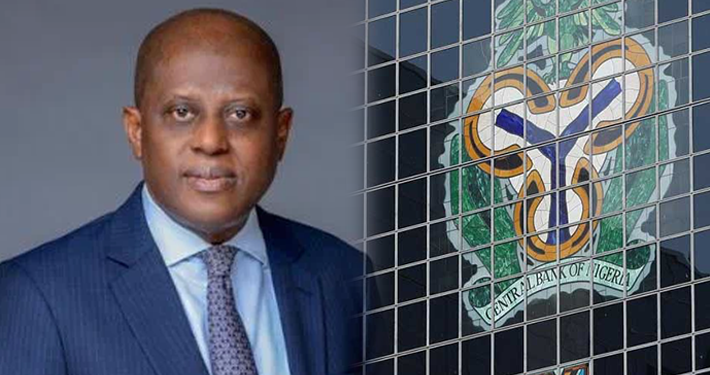
In the global financial landscape, banks are traditionally viewed as custodians of wealth and engines of economic growth. However, in Nigeria, the relationship between the bank and the customer has evolved into something far more predatory. It is perhaps the only place on earth where the financial institution and the government form a coordinated “tag team” to systematically deplete the assets of the very people they are meant to serve.

The Toll-Gate Economy
In Nigeria, a bank account is no longer a vault; it is a toll gate. The charges are relentless and multi-directional:
* The Entry Fee: You are charged when money enters your account.
* The Exit Fee: You are charged when money leaves your account.
* The “Existence” Fee: You are charged for the mere privilege of letting your money sit idly.
The financial sector has perfected the art of “account maintenance”—a term so vague it borders on the satirical. What, exactly, is being maintained? Is it the digital ledger entry? The air surrounding the vault? Or simply the bank’s profit margins?

A Case of Vanishing Dollars
The absurdity of these policies is best illustrated by a recent, chilling anecdote. A customer opened a domiciliary account with $500. He left it untouched, trusting the institution to keep it safe. Years later, he returned to withdraw his funds, only to be told the balance was zero. The entire $500 had been swallowed whole by “account maintenance fees.” In any other context, if a stranger took your money under the guise of “maintaining” it, it would be reported as a felony. In the Nigerian banking sector, it is simply a Tuesday.

Profiting from the Pickpocket
The irony is stark. While the average Nigerian watches their savings evaporate through a thousand tiny “service” cuts, the banks celebrate. Every quarter, these institutions announce billions in annual profits, often to the applause of shareholders and regulators.
“If a stranger took your money this way, we would call it theft. But when banks do it, we call it banking.”

The most tragic element of this narrative isn’t just the systemic greed; it is the normalization of the abuse. Nigerians, known for their resilience, seem to have made a weary peace with this daylight corporate pickpocketing.

The Bottom Line
Banking should be built on a foundation of trust and mutual benefit. When the system is designed to penalize the act of saving, it ceases to be a financial service and becomes an extractive industry. Until there is a fundamental shift in regulation and corporate ethics, the Nigerian bank account remains less of a safety net and more of a leak in the pocket of the common man.