















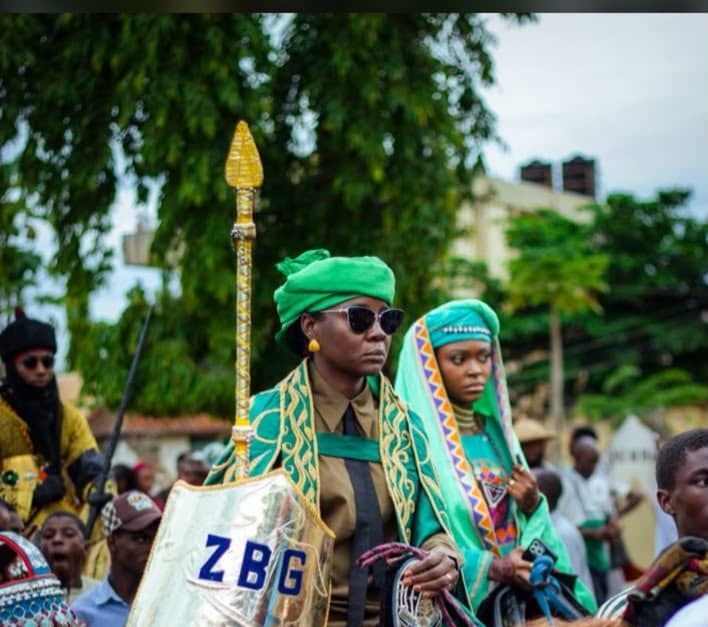
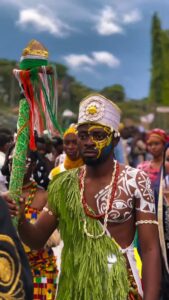
The main campus of Ahmadu Bello University, Zaria, transformed into a breathtaking mosaic of heritage on Saturday, 15th August 2026, as students, academic administrators, and royal dignitaries gathered for the institution’s highly anticipated annual Cultural Carnival. Organized under the Sir Ahmadu Bello Sardauna Renaissance Festival, the landmark event brought together thousands of students representing dozens of ethnic groups from across the nation in an extraordinary showcase of unity, traditional fashion, and youthful creativity.
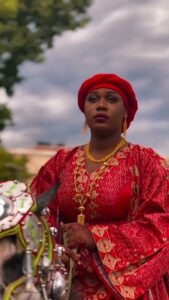

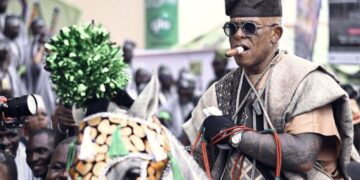
The festivities commenced with a spectacular mounted Durbar procession featuring hundreds of decorated horses, supervised by the Sarkin Hawa of the Zazzau Emirate. Parading from the Students’ Representative Council Secretariat through the heart of the main campus to the historic Mamman Kontagora Square, the procession offered a dramatic blending of northern Durbar traditions, eastern Ofala aesthetics, and western cultural rhythms. Draped in elaborate agbadas, native beads, and traditional regalia, participants traded academic routines for an unforgettable display of cultural pride.
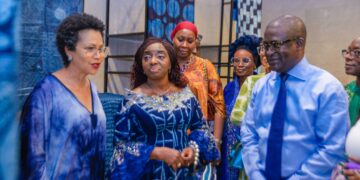
The prestige of the carnival was further elevated by an impressive guest list of leaders from government, traditional institutions, and academia. The Emir of Zazzau, His Highness Ambassador Ahmad Nuhu Bamalli, served as the Royal Father of the Day through his official representative, alongside the Minister of Art, Culture, and Creative Economy, Barrister Hannatu Musa Musawa, who was represented as the Special Guest of Honour. Key political figures including Senator Shehu Sani and Hon. Zainab Buba Galadima were also sighted at the event. The university’s executive leadership was fully present, led by Vice-Chancellor Professor Kabiru Bala and Dean of Student Affairs Professor Muhammad Fatihu, alongside student leaders from the Students’ Representative Council.
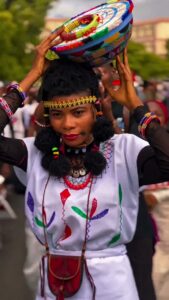
Addressing the gathering at Mamman Kontagora Square, university officials praised the student body for utilizing heritage as a bridge for national integration rather than division. Keynotes throughout the evening emphasized that Nigeria’s rich cultural diversity remains its primary strength, positioning the annual carnival as a vital institutional platform for nurturing mutual respect, leadership, and peaceful coexistence among future decision-makers. In an interview at the venue, Daniel Omonze, Publisher of Stakeholders Magazine, noted that such an event deserves global visibility and recommended stronger corporate partnerships to attract investment to Kaduna State and the broader Nigerian creative economy.