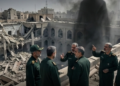




















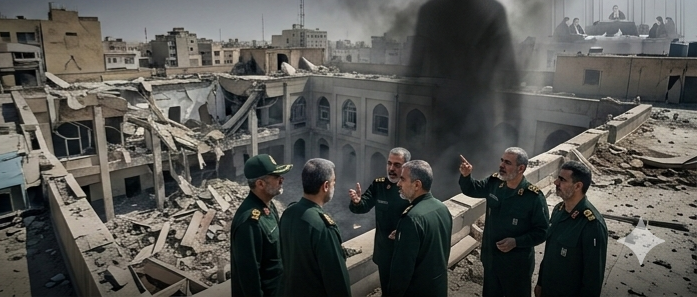
The precision strikes of Operation Roaring Lion (Israel) and Operation Epic Fury (USA) at 8:15 AM have done more than damage physical infrastructure; they have effectively “muted” the central switchboard of the Axis of Resistance. For the first time in decades, the most sophisticated proxy network in the world is operating without a clear dial-tone from Tehran.
As the smoke clears over the Supreme Leader’s compound, the “Day After” for Iran’s proxies is characterized by a dangerous mix of autonomy, desperation, and a scramble for self-preservation.

1. Hezbollah: The Deterrence Dilemma
Hezbollah remains the “crown jewel” of the Iranian proxy system, but it is currently a jewel under immense pressure. Following the sustainment of heavy losses in the 12-day war of June 2025, the group’s leadership in Beirut now faces a catastrophic choice.
* The Command Gap: With reports that IRGC Commander Major General Mohammad Pakpour and other key liaisons were targeted in today’s strikes, Hezbollah’s direct link to Iranian funding and tactical orders is severed.
* Lebanese Pressure: The Lebanese government has already issued a frantic warning to Hezbollah: Do not drag us into the abyss. Without a clear directive from a (potentially) deceased Khamenei, Hezbollah may opt for a “symbolic” rather than “existential” response to avoid total Israeli occupation of Southern Lebanon.

2. The Houthis: Reverting to Piracy
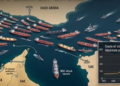
Unlike Hezbollah, the Houthis in Yemen have always maintained a higher degree of “rogue” autonomy. Intelligence suggests that in the absence of Tehran’s guiding hand, the Houthis are reverting to their most effective lever: Economic Terrorism.
* Red Sea Resumption: Senior Houthi officials have already vowed to resume strikes on all vessels transiting the Bab el-Mandeb and the Red Sea corridor.
* The Target Shift: Expect the Houthis to stop distinguishing between “Israeli-linked” ships and general commercial traffic. For them, chaos in the global supply chain is the only way to remain relevant in a post-Tehran landscape.

3. Iraqi Militias: The Internal Civil War
The situation in Iraq is perhaps the most volatile. Groups like Kataib Hezbollah have signaled they will target US facilities in Iraq (such as Al-Asad Airbase) in revenge for what they call “American aggression.”
* The Power Vacuum: With the reported death of Ali Shamkhani (Secretary of the Supreme National Security Council), the man who managed the delicate balance between Iraqi militias is gone.
* Sovereignty Clash: This puts the Iraqi government in an impossible position. If the militias launch a full-scale assault on US assets, Baghdad faces the very real prospect of being treated as a co-belligerent by Washington.

The Stakeholder Risk: “Decentralized Radicalization”
The greatest risk to global stakeholders is not a coordinated Iranian counter-attack—it is the loss of control. > “Tehran acted as a pressure valve. Without that valve, we are no longer dealing with a state actor; we are dealing with a dozen well-armed, highly motivated, and now-autonomous insurgencies.”
For the next 72 hours, the primary threat to the Strait of Hormuz and regional oil infrastructure will not come from the Iranian Navy, but from local commanders of these proxy groups making “field-level” decisions to escalate.

The Hydra hasn’t been killed; it has been blinded. And a blinded Hydra bites at everything.